


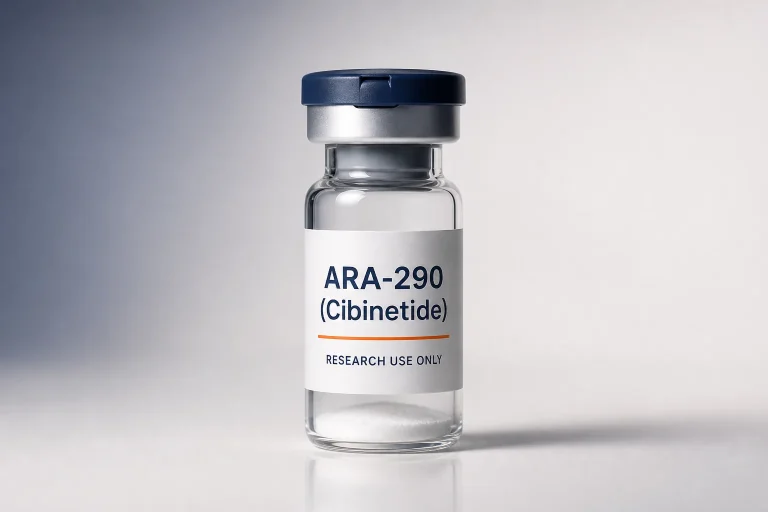
 Ilustración del envase
Cicatrización y reparación de tejidos · Dossier revisado en fuente
ARA-290 (Cibinetide)
Dossier de investigación revisado en fuentes
Ilustración del envase
Cicatrización y reparación de tejidos · Dossier revisado en fuente
ARA-290 (Cibinetide)
Dossier de investigación revisado en fuentes
Tissue Repair & Recovery Research Families
Families in this center appear in tendon, muscle, gastrointestinal, vascular or wound-repair research. Most outcome claims are highly dependent on model, injury method, timing and route, and many popular catalog names have limited human evidence.
8 families found for “Healing & Tissue Repair”
Clear filterIlustración del envase
Cicatrización y reparación de tejidos · Dossier revisado en fuente
ARA-290 (Cibinetide)
Dossier de investigación revisado en fuentes
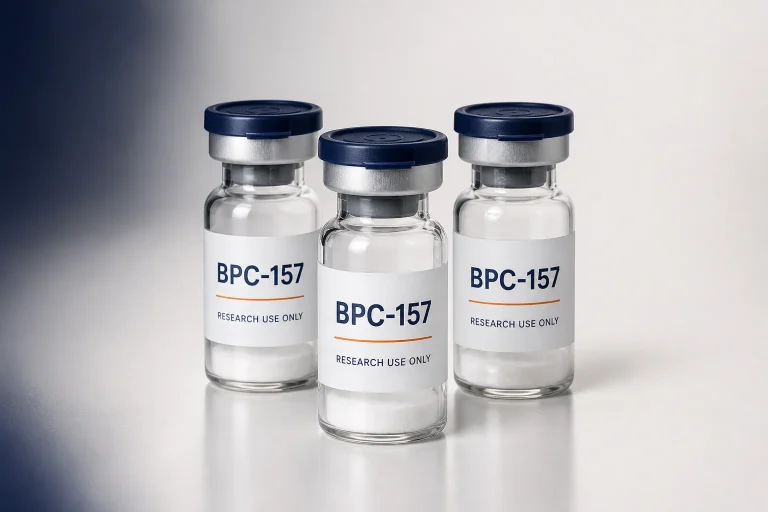 Ilustración del envase
Cicatrización y reparación de tejidos · Dossier revisado en fuente
BPC-157
Dossier de investigación revisado en fuentes
Ilustración del envase
Cicatrización y reparación de tejidos · Dossier revisado en fuente
BPC-157
Dossier de investigación revisado en fuentes
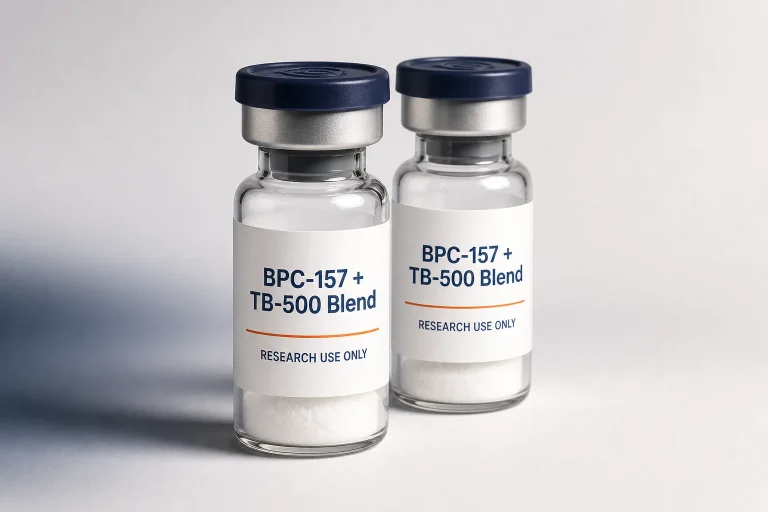 Ilustración del envase
Cicatrización y reparación de tejidos · Dossier revisado en fuente
BPC-157 + TB-500 Blend
Dossier de investigación revisado en fuentes
Ilustración del envase
Cicatrización y reparación de tejidos · Dossier revisado en fuente
BPC-157 + TB-500 Blend
Dossier de investigación revisado en fuentes
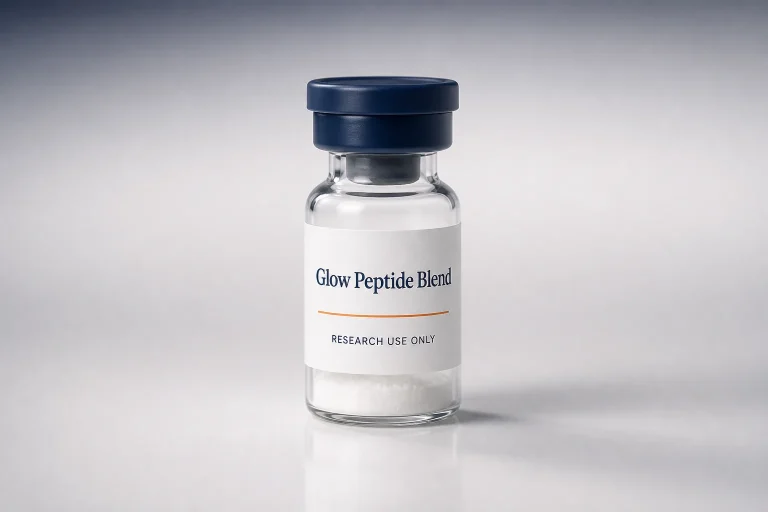 Ilustración del envase
Cicatrización y reparación de tejidos · Dossier revisado en fuente
Glow Peptide Blend
Dossier de investigación revisado en fuentes
Ilustración del envase
Cicatrización y reparación de tejidos · Dossier revisado en fuente
Glow Peptide Blend
Dossier de investigación revisado en fuentes
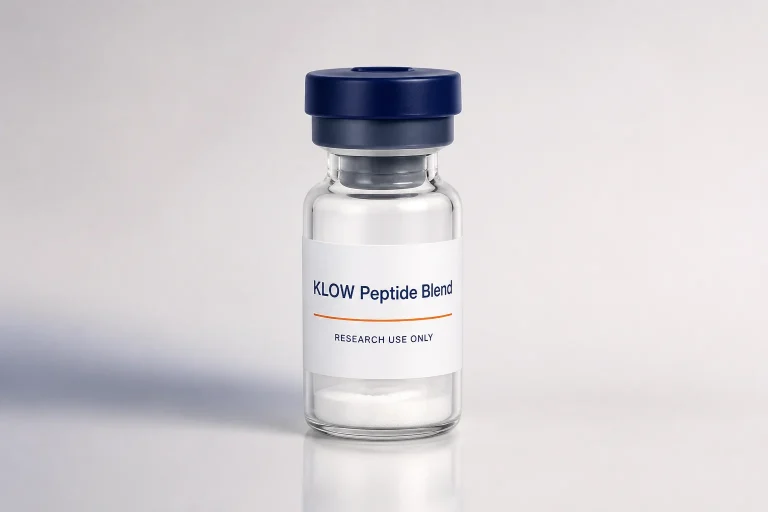 Ilustración del envase
Cicatrización y reparación de tejidos · Dossier revisado en fuente
KLOW Peptide Blend
Dossier de investigación revisado en fuentes
Ilustración del envase
Cicatrización y reparación de tejidos · Dossier revisado en fuente
KLOW Peptide Blend
Dossier de investigación revisado en fuentes
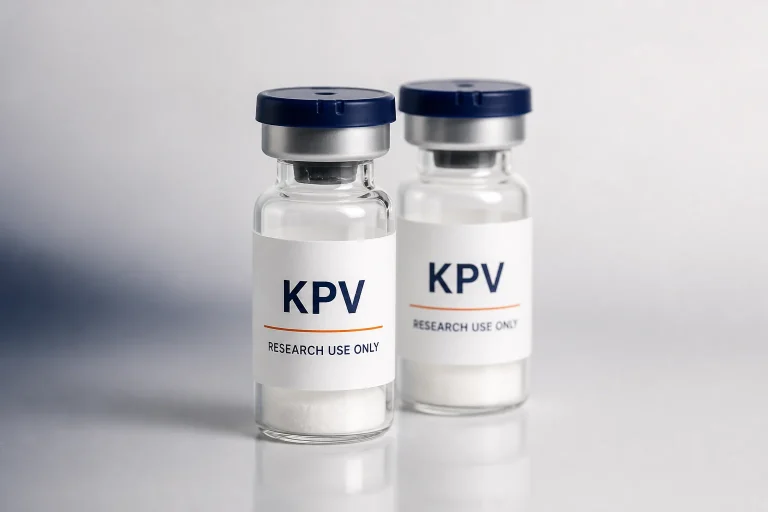 Ilustración del envase
Cicatrización y reparación de tejidos · Dossier revisado en fuente
KPV
Dossier de investigación revisado en fuentes
Ilustración del envase
Cicatrización y reparación de tejidos · Dossier revisado en fuente
KPV
Dossier de investigación revisado en fuentes
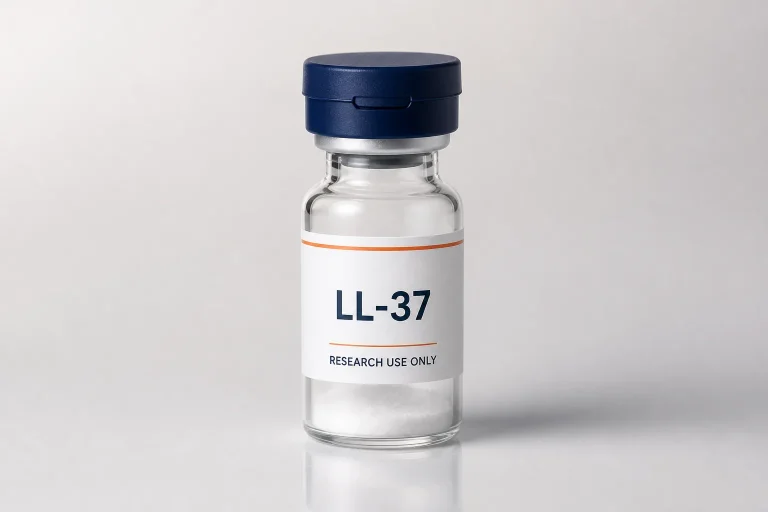 Ilustración del envase
Investigación de péptidos antimicrobianos · Catelicidina humana
LL-37
Dossier de Producto Científico
Ilustración del envase
Investigación de péptidos antimicrobianos · Catelicidina humana
LL-37
Dossier de Producto Científico
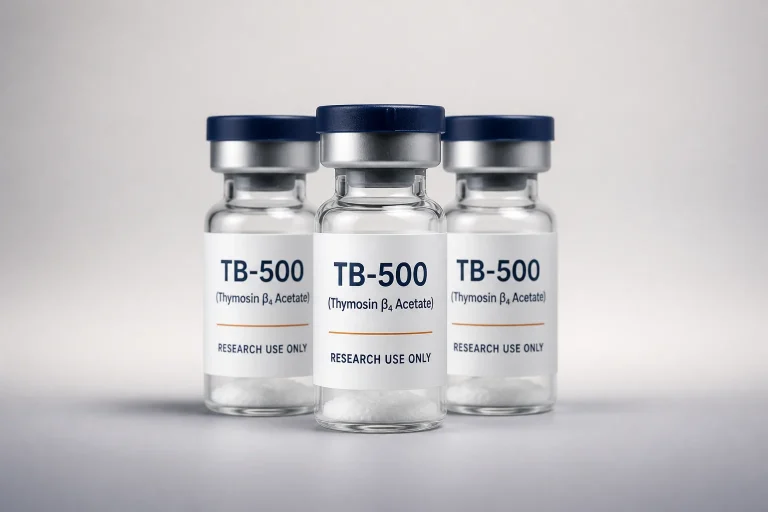 Ilustración del envase
Cicatrización y reparación de tejidos · Dossier revisado en fuente
TB-500 (Thymosin β4 Acetate)
Dossier de investigación revisado en fuentes
Ilustración del envase
Cicatrización y reparación de tejidos · Dossier revisado en fuente
TB-500 (Thymosin β4 Acetate)
Dossier de investigación revisado en fuentes
Category knowledge center
How to evaluate this research category
This hub separates molecular identity, study design and lot documentation so related families can be explored without turning unlike evidence into a single claim.
- 8
- canonical families
- 15
- variantes del catálogo
- 8
- reviewed dossiers
- 13
- registros fuente vinculados
What this category includes
- Tendon, ligament and musculoskeletal research families
- Gastrointestinal and cytoprotective experimental compounds
- Repair-related peptide fragments and blends
- Animal, in-vitro, analytical and limited human context
Identity and interpretation checks
- Histology, mechanical strength, pain behavior and time to recovery are different endpoints.
- Trade-style fragment names such as TB-500 require explicit sequence confirmation.
- Do not infer that combining two researched compounds improves outcomes.
Injury model
State the tissue, injury method, species, timing and measured endpoint for every repair finding.
Combination evidence
A blend requires direct combination evidence; evidence for individual components does not prove added benefit.
Human evidence gap
Animal healing signals cannot establish safety or effectiveness in people.
Continue the research
Comparisons and editorial analysis
Use fixed, reviewed comparison pages for defined questions and articles for deeper source context. Product dossiers remain the source for catalog identity and variants.
BPC-157 y BPC/TB-500
Una comparación de evidencia preclínica que cubre la identidad material, el experimento del tendón de Aquiles en ratas 2026 y por qué los hallazgos combinados no establecen resultados de recuperación en humanos.
Open comparison →BPC-157 + TB-500 en el estudio del tendón de Aquiles en ratas 2026: una lectura detallada
Un análisis basado en fuentes del estudio del tendón de Aquiles en ratas 2026 BPC-157 y TB-500, que incluye diseño de grupo, histología, biomecánica y la ausencia de un agregado...
Leer análisis →Límites de evidencia de BPC-157 y TB-500: datos humanos, inquietudes de FDA y preguntas de calidad
Una revisión crítica de la evidencia humana limitada para BPC-157 y TB-500, las lagunas de información de seguridad actuales identificadas por FDA y las preguntas de calidad de un catálogo de investigación...
Leer análisis →LL-37 en la superficie ocular: expresión y datos antimicrobianos in vitro
Un artículo de LL-37 citado con frecuencia examinó la expresión en células de la superficie ocular humana y la actividad antimicrobiana en ensayos de laboratorio. No administró LL-37 como…
Leer análisis →Límites de evidencia de LL-37: péptido endógeno, entrega diseñada y material de catálogo
"LL-37" puede referirse a un péptido de defensa humano endógeno, un reactivo de ensayo sintético o un sistema de administración biológica diseñado. Resultados de uno de esos…
Leer análisis →Revisión de evidencia KPV: modelos de administración de queratinocitos y colitis
La investigación de KPV abarca modelos de estrés de queratinocitos y sistemas de administración de colon específicos. Los efectos publicados son preclínicos y FDA afirma que no ha identificado humanos...
Leer análisis →Guía de identidad KPV: Lys-Pro-Val, pruebas de forma y contenido
KPV es el tripéptido Lys-Pro-Val y corresponde al tripéptido C-terminal de la hormona estimulante de los melanocitos α. El nombre corto no especifica sal, forma terminal, agua…
Leer análisis →Category questions
Evidence and identity FAQ
These answers define how the category is organized. They do not replace the product specification, lot documents or the cited study record.
Why are tissue-repair findings difficult to generalize?
Results depend on tissue, injury severity, species, exposure, timing and the chosen mechanical or histological endpoint.
Does evidence for BPC-157 and TB-500 prove the blend is better?
No. Combination benefit needs a direct comparison, and the available evidence remains model-specific.
What should be confirmed for a repair-peptide catalog item?
Sequence or component identity, material form, catalog variant, applicable model evidence and lot-specific analytical records.