


 包装イメージ
治癒と組織修復 · 情報源を確認した書類
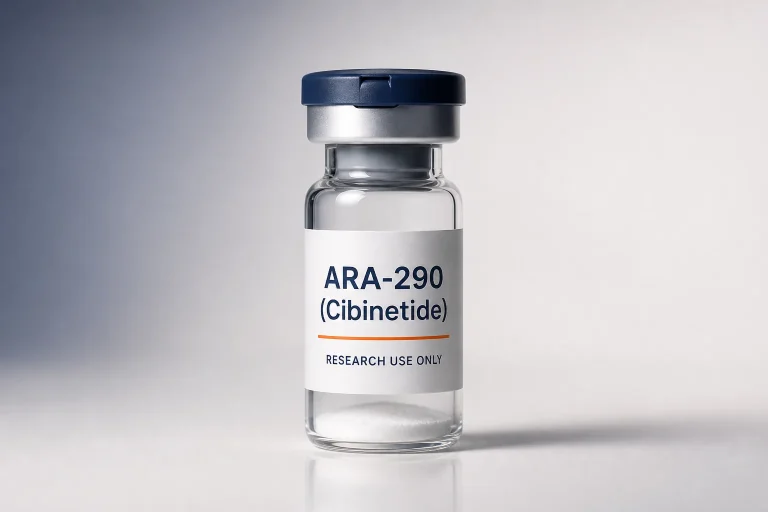
ARA-290 (Cibinetide)
出典を確認した調査書類
包装イメージ
治癒と組織修復 · 情報源を確認した書類
ARA-290 (Cibinetide)
出典を確認した調査書類
Tissue Repair & Recovery Research Families
Families in this center appear in tendon, muscle, gastrointestinal, vascular or wound-repair research. Most outcome claims are highly dependent on model, injury method, timing and route, and many popular catalog names have limited human evidence.
8 families found for “Healing & Tissue Repair”
Clear filter包装イメージ
治癒と組織修復 · 情報源を確認した書類
ARA-290 (Cibinetide)
出典を確認した調査書類
 包装イメージ
治癒と組織修復 · 情報源を確認した書類
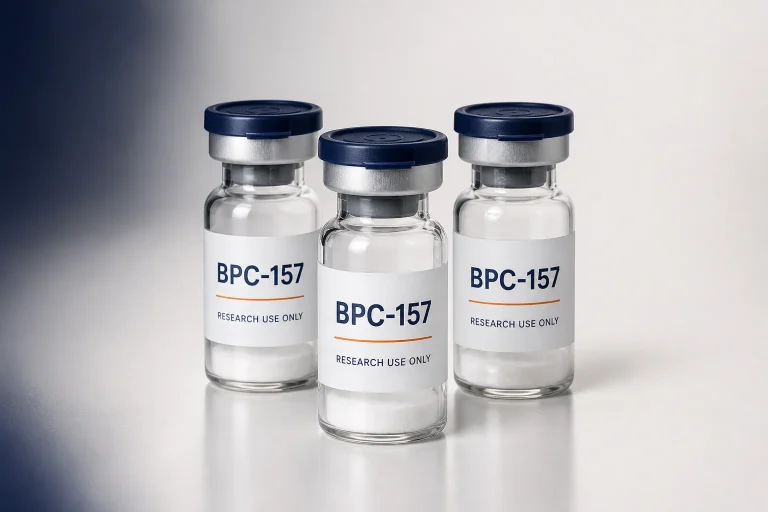
BPC-157
出典を確認した調査書類
包装イメージ
治癒と組織修復 · 情報源を確認した書類
BPC-157
出典を確認した調査書類
 包装イメージ
治癒と組織修復 · 情報源を確認した書類
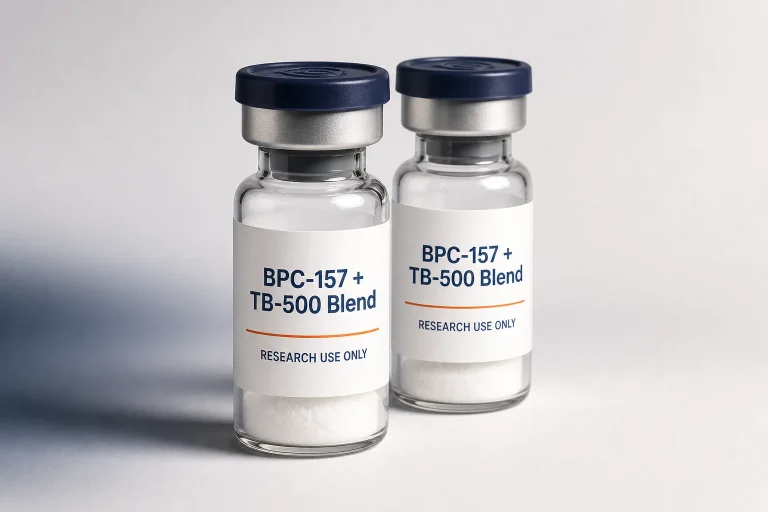
BPC-157 + TB-500 Blend
出典を確認した調査書類
包装イメージ
治癒と組織修復 · 情報源を確認した書類
BPC-157 + TB-500 Blend
出典を確認した調査書類
 包装イメージ
治癒と組織修復 · 情報源を確認した書類
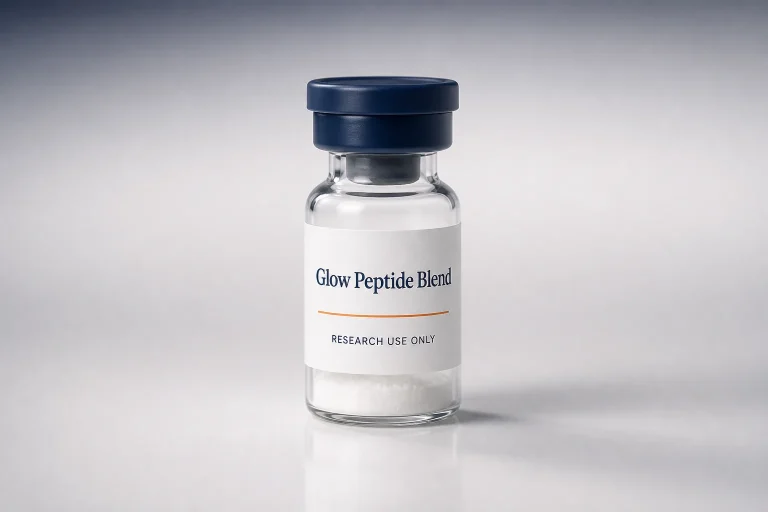
Glow Peptide Blend
出典を確認した調査書類
包装イメージ
治癒と組織修復 · 情報源を確認した書類
Glow Peptide Blend
出典を確認した調査書類
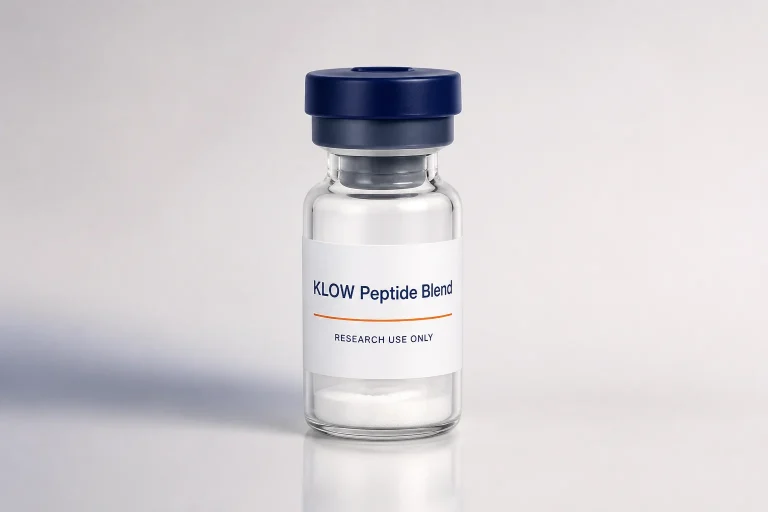 包装イメージ
治癒と組織修復 · 情報源を確認した書類
KLOW Peptide Blend
出典を確認した調査書類
包装イメージ
治癒と組織修復 · 情報源を確認した書類
KLOW Peptide Blend
出典を確認した調査書類
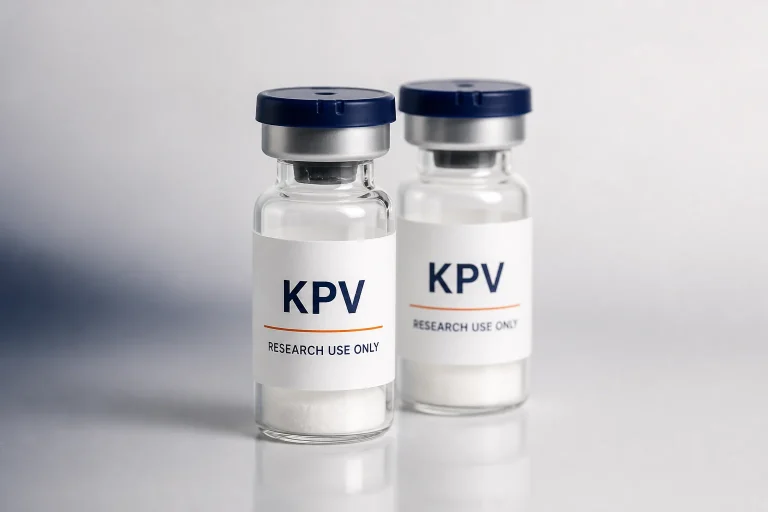 包装イメージ
治癒と組織修復 · 情報源を確認した書類
KPV
出典を確認した調査書類
包装イメージ
治癒と組織修復 · 情報源を確認した書類
KPV
出典を確認した調査書類
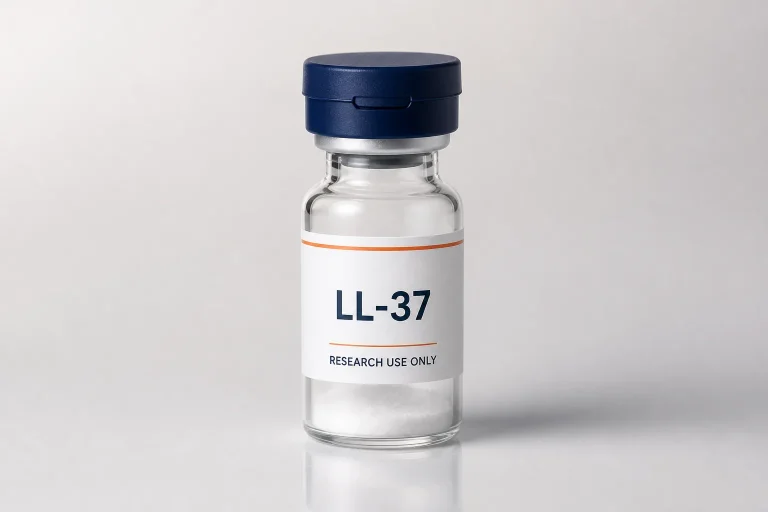 包装イメージ
抗菌ペプチド研究・ヒトカテリシジン
LL-37
科学製品関係書類
包装イメージ
抗菌ペプチド研究・ヒトカテリシジン
LL-37
科学製品関係書類
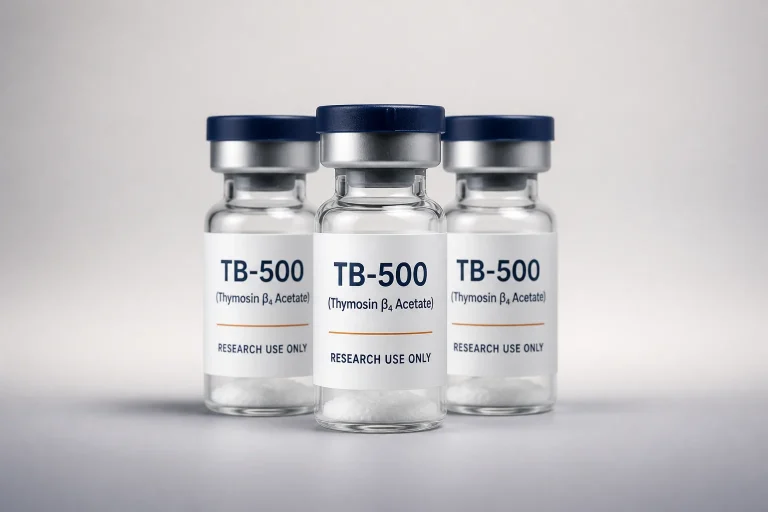 包装イメージ
治癒と組織修復 · 情報源を確認した書類
TB-500 (Thymosin β4 Acetate)
出典を確認した調査書類
包装イメージ
治癒と組織修復 · 情報源を確認した書類
TB-500 (Thymosin β4 Acetate)
出典を確認した調査書類
Category knowledge center
How to evaluate this research category
This hub separates molecular identity, study design and lot documentation so related families can be explored without turning unlike evidence into a single claim.
- 8
- canonical families
- 15
- カタログのバリエーション
- 8
- reviewed dossiers
- 13
- リンクされたソースレコード
What this category includes
- Tendon, ligament and musculoskeletal research families
- Gastrointestinal and cytoprotective experimental compounds
- Repair-related peptide fragments and blends
- Animal, in-vitro, analytical and limited human context
Identity and interpretation checks
- Histology, mechanical strength, pain behavior and time to recovery are different endpoints.
- Trade-style fragment names such as TB-500 require explicit sequence confirmation.
- Do not infer that combining two researched compounds improves outcomes.
Injury model
State the tissue, injury method, species, timing and measured endpoint for every repair finding.
Combination evidence
A blend requires direct combination evidence; evidence for individual components does not prove added benefit.
Human evidence gap
Animal healing signals cannot establish safety or effectiveness in people.
Continue the research
Comparisons and editorial analysis
Use fixed, reviewed comparison pages for defined questions and articles for deeper source context. Product dossiers remain the source for catalog identity and variants.
BPC-157 vs BPC/TB-500
材料の同一性、2026 ラットのアキレス腱実験、および組み合わせの結果がヒトの回復結果を確立しない理由をカバーする前臨床証拠の比較。
Open comparison →2026 ラットアキレス腱研究における BPC-157 + TB-500: 詳細な分析
2026 BPC-157 および TB-500 ラットアキレス腱研究の情報源主導の分析。グループ設計、組織学、生体力学、および追加の欠如が含まれます。
分析を読む→BPC-157 および TB-500 の証拠境界: ヒトデータ、FDA の懸念事項、および品質に関する質問
BPC-157 および TB-500 に関する限られた人的証拠、現在の FDA が特定した安全性情報のギャップ、および研究カタログの品質に関する疑問についての批判的レビュー…
分析を読む→眼表面の LL-37: 発現と in-vitro 抗菌データ
頻繁に引用される LL-37 論文では、ヒト眼表面細胞における発現と実験室アッセイでの抗菌活性を調査しました。 LL-37 を管理しませんでした…
分析を読む→LL-37 証拠の境界: 内因性ペプチド、人工送達およびカタログ資料
「LL-37」は、内因性ヒト防御ペプチド、合成アッセイ試薬、または操作された生物学的送達システムを指します。そのうちの 1 つからの結果は…
分析を読む→KPV 証拠レビュー: ケラチノサイトと大腸炎の送達モデル
KPV の研究は、ケラチノサイト ストレス モデルとターゲットを絞った結腸送達システムに及びます。公表された効果は前臨床であり、FDA はヒトへの影響は確認されていないと述べています。
分析を読む→KPV ID ガイド: Lys-Pro-Val、フォームおよびコンテンツのテスト
KPV はトリペプチド Lys-Pro-Val であり、α-メラノサイト刺激ホルモンの C 末端トリペプチドに対応します。略称では、塩、終端形式、水…は指定されていません。
分析を読む→Category questions
Evidence and identity FAQ
These answers define how the category is organized. They do not replace the product specification, lot documents or the cited study record.
Why are tissue-repair findings difficult to generalize?
Results depend on tissue, injury severity, species, exposure, timing and the chosen mechanical or histological endpoint.
Does evidence for BPC-157 and TB-500 prove the blend is better?
No. Combination benefit needs a direct comparison, and the available evidence remains model-specific.
What should be confirmed for a repair-peptide catalog item?
Sequence or component identity, material form, catalog variant, applicable model evidence and lot-specific analytical records.