


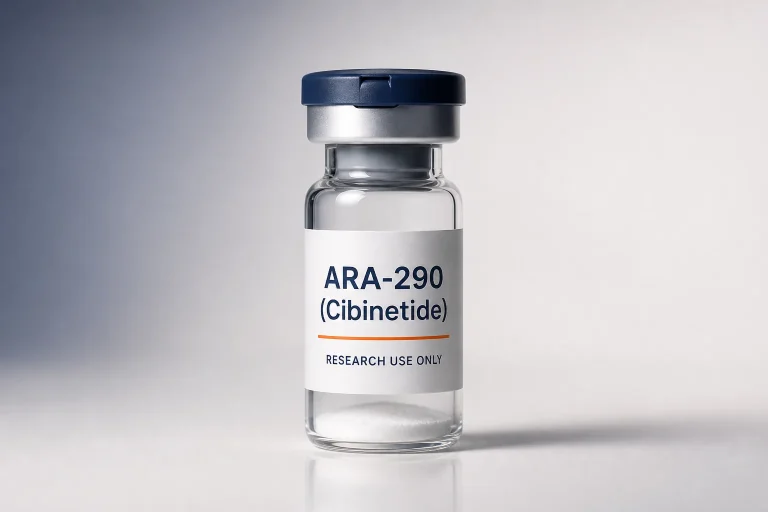
 Packaging mockup
Healing & Tissue Repair · Source-reviewed dossier
ARA-290 (Cibinetide)
Source-Reviewed Research Dossier
Packaging mockup
Healing & Tissue Repair · Source-reviewed dossier
ARA-290 (Cibinetide)
Source-Reviewed Research Dossier
Tissue Repair & Recovery Research Families
Families in this center appear in tendon, muscle, gastrointestinal, vascular or wound-repair research. Most outcome claims are highly dependent on model, injury method, timing and route, and many popular catalog names have limited human evidence.
8 families found for “Healing & Tissue Repair”
Clear filterPackaging mockup
Healing & Tissue Repair · Source-reviewed dossier
ARA-290 (Cibinetide)
Source-Reviewed Research Dossier
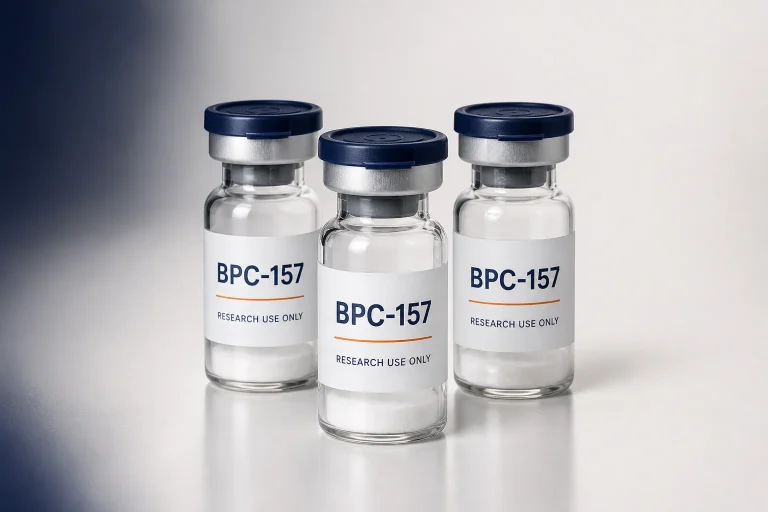 Packaging mockup
Healing & Tissue Repair · Source-reviewed dossier
BPC-157
Source-Reviewed Research Dossier
Packaging mockup
Healing & Tissue Repair · Source-reviewed dossier
BPC-157
Source-Reviewed Research Dossier
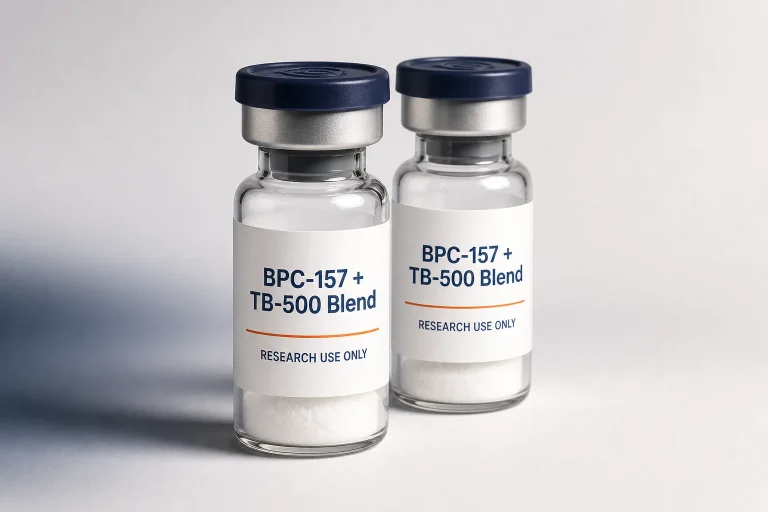 Packaging mockup
Healing & Tissue Repair · Source-reviewed dossier
BPC-157 + TB-500 Blend
Source-Reviewed Research Dossier
Packaging mockup
Healing & Tissue Repair · Source-reviewed dossier
BPC-157 + TB-500 Blend
Source-Reviewed Research Dossier
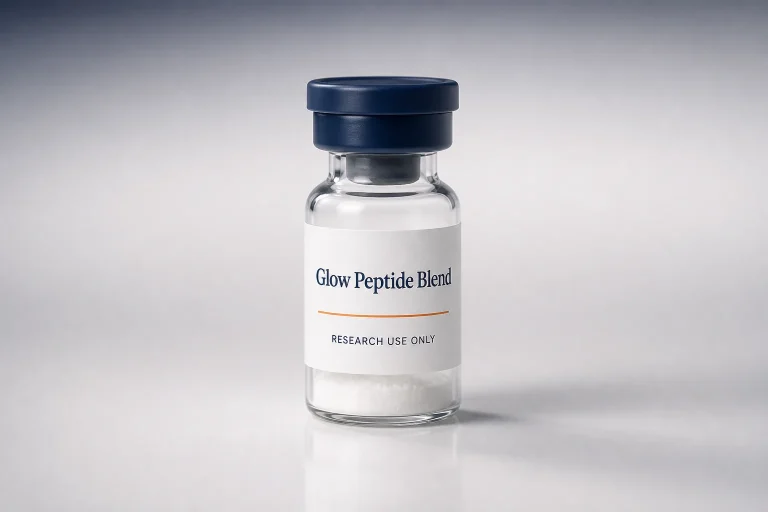 Packaging mockup
Healing & Tissue Repair · Source-reviewed dossier
Glow Peptide Blend
Source-Reviewed Research Dossier
Packaging mockup
Healing & Tissue Repair · Source-reviewed dossier
Glow Peptide Blend
Source-Reviewed Research Dossier
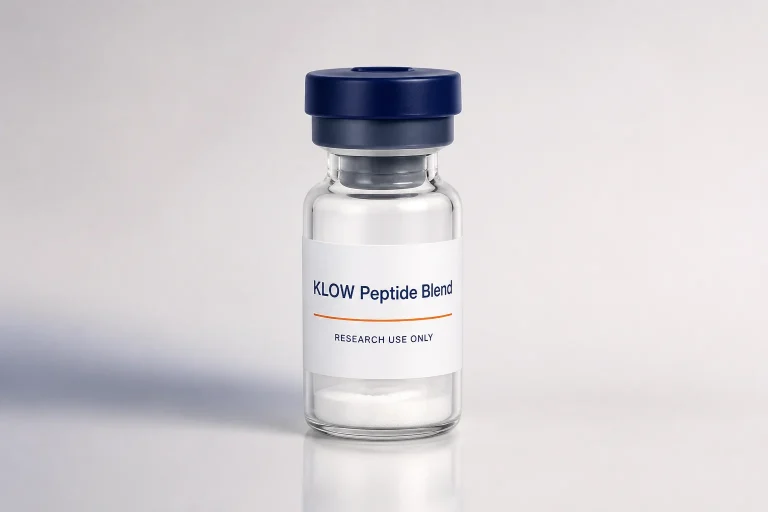 Packaging mockup
Healing & Tissue Repair · Source-reviewed dossier
KLOW Peptide Blend
Source-Reviewed Research Dossier
Packaging mockup
Healing & Tissue Repair · Source-reviewed dossier
KLOW Peptide Blend
Source-Reviewed Research Dossier
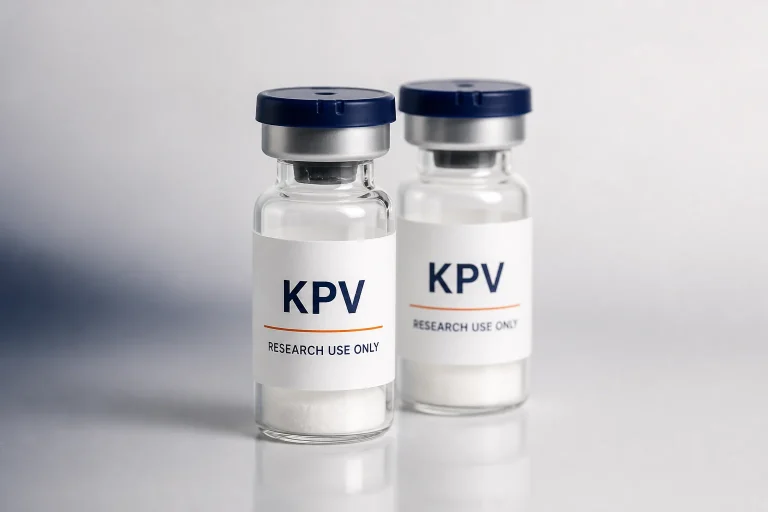 Packaging mockup
Healing & Tissue Repair · Source-reviewed dossier
KPV
Source-Reviewed Research Dossier
Packaging mockup
Healing & Tissue Repair · Source-reviewed dossier
KPV
Source-Reviewed Research Dossier
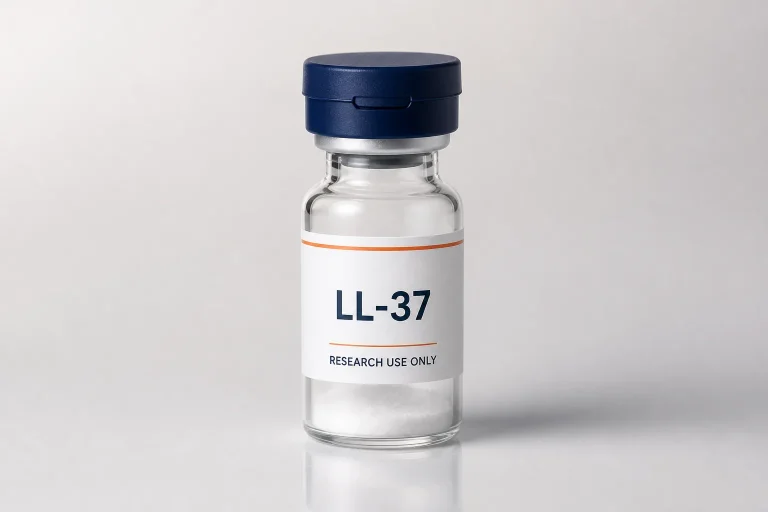 Packaging mockup
Antimicrobial peptide research · Human cathelicidin
LL-37
Scientific Product Dossier
Packaging mockup
Antimicrobial peptide research · Human cathelicidin
LL-37
Scientific Product Dossier
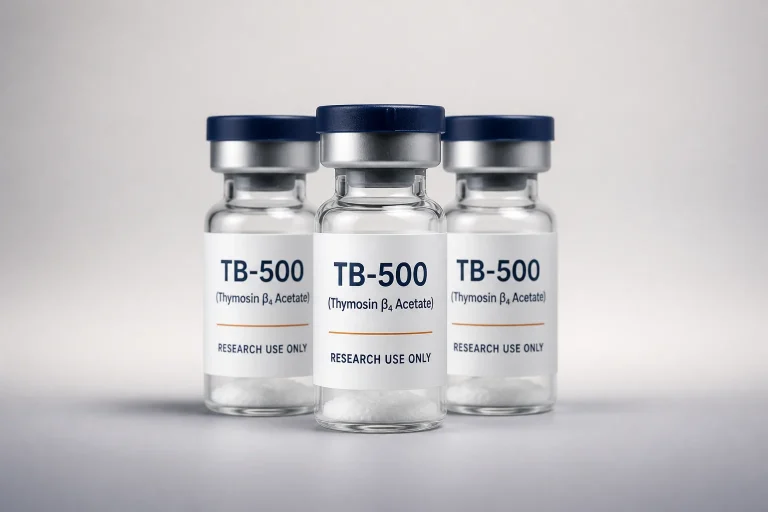 Packaging mockup
Healing & Tissue Repair · Source-reviewed dossier
TB-500 (Thymosin β4 Acetate)
Source-Reviewed Research Dossier
Packaging mockup
Healing & Tissue Repair · Source-reviewed dossier
TB-500 (Thymosin β4 Acetate)
Source-Reviewed Research Dossier
Category knowledge center
How to evaluate this research category
This hub separates molecular identity, study design and lot documentation so related families can be explored without turning unlike evidence into a single claim.
- 8
- canonical families
- 15
- catalog variants
- 8
- reviewed dossiers
- 13
- linked source records
What this category includes
- Tendon, ligament and musculoskeletal research families
- Gastrointestinal and cytoprotective experimental compounds
- Repair-related peptide fragments and blends
- Animal, in-vitro, analytical and limited human context
Identity and interpretation checks
- Histology, mechanical strength, pain behavior and time to recovery are different endpoints.
- Trade-style fragment names such as TB-500 require explicit sequence confirmation.
- Do not infer that combining two researched compounds improves outcomes.
Injury model
State the tissue, injury method, species, timing and measured endpoint for every repair finding.
Combination evidence
A blend requires direct combination evidence; evidence for individual components does not prove added benefit.
Human evidence gap
Animal healing signals cannot establish safety or effectiveness in people.
Continue the research
Comparisons and editorial analysis
Use fixed, reviewed comparison pages for defined questions and articles for deeper source context. Product dossiers remain the source for catalog identity and variants.
BPC-157 vs BPC/TB-500
A preclinical evidence comparison covering material identity, the 2026 rat Achilles-tendon experiment and why combination findings do not establish human recovery outcomes.
Open comparison →BPC-157 + TB-500 in the 2026 Rat Achilles Tendon Study: A Close Reading
A source-led analysis of the 2026 BPC-157 and TB-500 rat Achilles tendon study, including group design, histology, biomechanics and the absence of an added…
Read analysis →BPC-157 and TB-500 Evidence Boundaries: Human Data, FDA Concerns and Quality Questions
A critical review of the limited human evidence for BPC-157 and TB-500, current FDA-identified safety information gaps and the quality questions a research catalog…
Read analysis →LL-37 at the Ocular Surface: Expression and In-Vitro Antimicrobial Data
A frequently cited LL-37 paper examined expression in human ocular-surface cells and antimicrobial activity in laboratory assays. It did not administer LL-37 as a…
Read analysis →LL-37 Evidence Boundaries: Endogenous Peptide, Engineered Delivery and Catalog Material
“LL-37” can refer to an endogenous human defense peptide, a synthetic assay reagent or an engineered biological delivery system. Results from one of those…
Read analysis →KPV Evidence Review: Keratinocyte and Colitis Delivery Models
KPV research spans keratinocyte stress models and targeted colon-delivery systems. The published effects are preclinical, and FDA states that it has not identified human…
Read analysis →KPV Identity Guide: Lys-Pro-Val, Form and Content Testing
KPV is the tripeptide Lys-Pro-Val and corresponds to the C-terminal tripeptide of α-melanocyte-stimulating hormone. The short name does not specify salt, terminal form, water…
Read analysis →Category questions
Evidence and identity FAQ
These answers define how the category is organized. They do not replace the product specification, lot documents or the cited study record.
Why are tissue-repair findings difficult to generalize?
Results depend on tissue, injury severity, species, exposure, timing and the chosen mechanical or histological endpoint.
Does evidence for BPC-157 and TB-500 prove the blend is better?
No. Combination benefit needs a direct comparison, and the available evidence remains model-specific.
What should be confirmed for a repair-peptide catalog item?
Sequence or component identity, material form, catalog variant, applicable model evidence and lot-specific analytical records.