


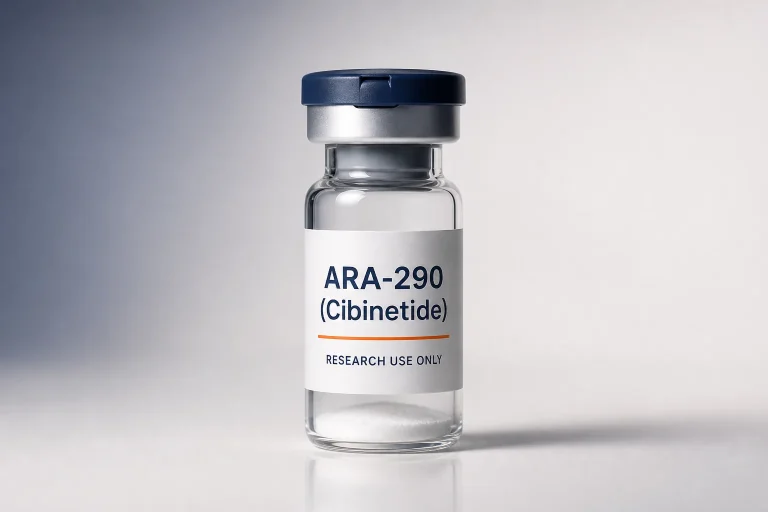
 产品包装示意图
愈合与组织修复·来源审查档案
ARA-290 (Cibinetide)
来源审查的研究档案
产品包装示意图
愈合与组织修复·来源审查档案
ARA-290 (Cibinetide)
来源审查的研究档案
Tissue Repair & Recovery Research Families
Families in this center appear in tendon, muscle, gastrointestinal, vascular or wound-repair research. Most outcome claims are highly dependent on model, injury method, timing and route, and many popular catalog names have limited human evidence.
8 families found for “Healing & Tissue Repair”
Clear filter产品包装示意图
愈合与组织修复·来源审查档案
ARA-290 (Cibinetide)
来源审查的研究档案
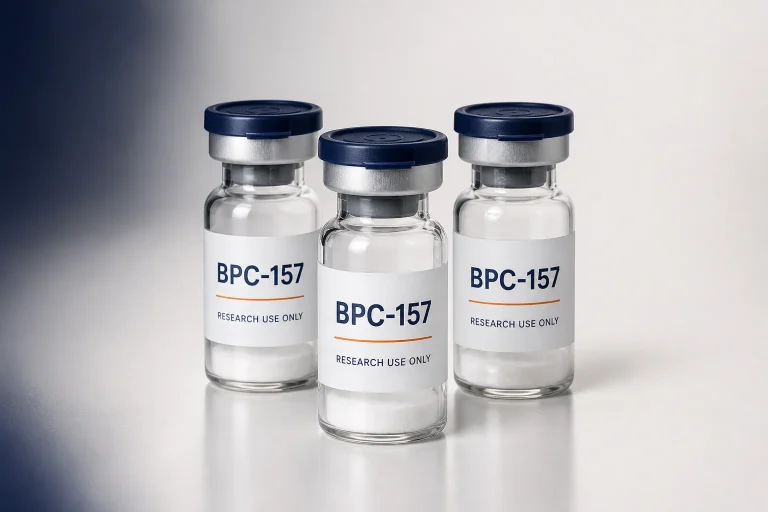 产品包装示意图
愈合与组织修复·来源审查档案
BPC-157
来源审查的研究档案
产品包装示意图
愈合与组织修复·来源审查档案
BPC-157
来源审查的研究档案
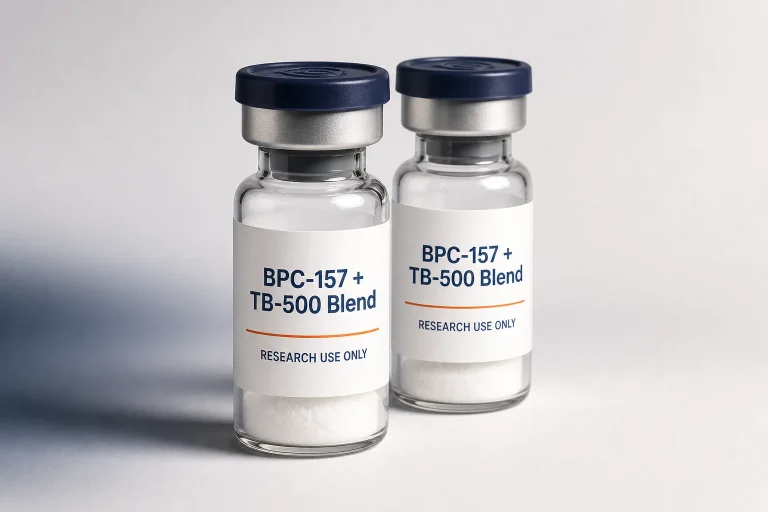 产品包装示意图
愈合与组织修复·来源审查档案
BPC-157 + TB-500 Blend
来源审查的研究档案
产品包装示意图
愈合与组织修复·来源审查档案
BPC-157 + TB-500 Blend
来源审查的研究档案
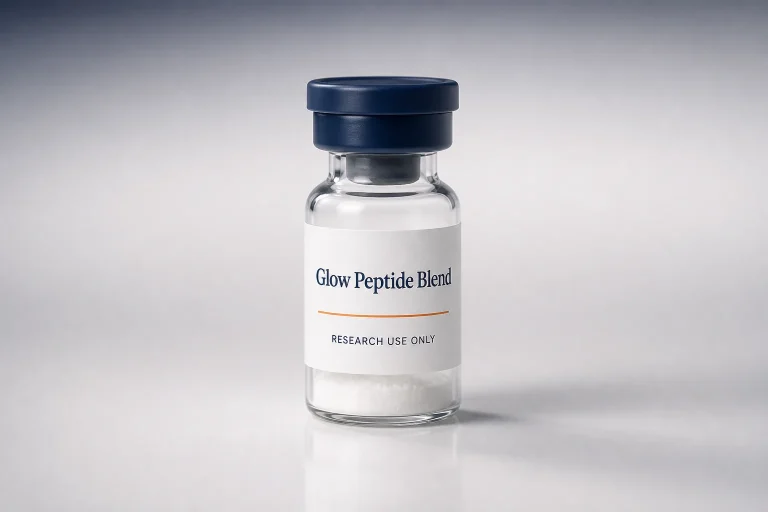 产品包装示意图
愈合与组织修复·来源审查档案
Glow Peptide Blend
来源审查的研究档案
产品包装示意图
愈合与组织修复·来源审查档案
Glow Peptide Blend
来源审查的研究档案
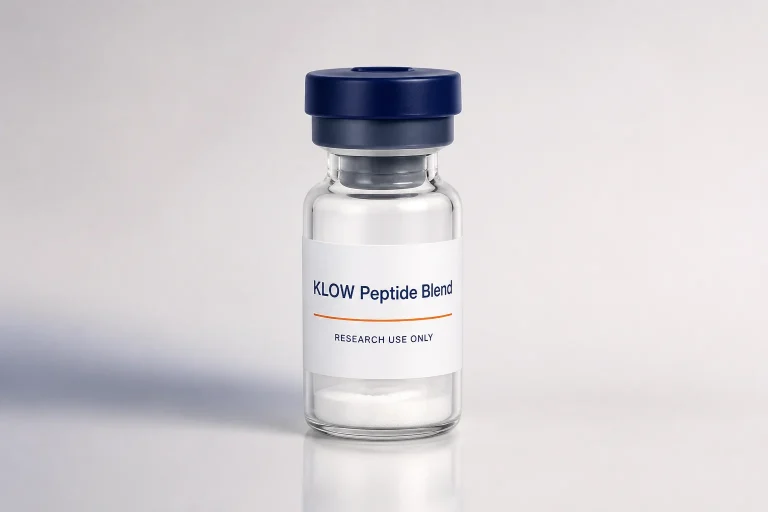 产品包装示意图
愈合与组织修复·来源审查档案
KLOW Peptide Blend
来源审查的研究档案
产品包装示意图
愈合与组织修复·来源审查档案
KLOW Peptide Blend
来源审查的研究档案
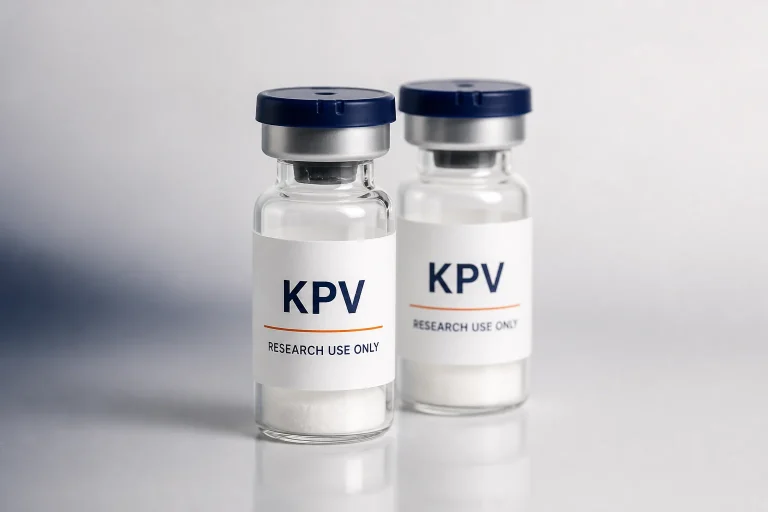 产品包装示意图
愈合与组织修复·来源审查档案
KPV
来源审查的研究档案
产品包装示意图
愈合与组织修复·来源审查档案
KPV
来源审查的研究档案
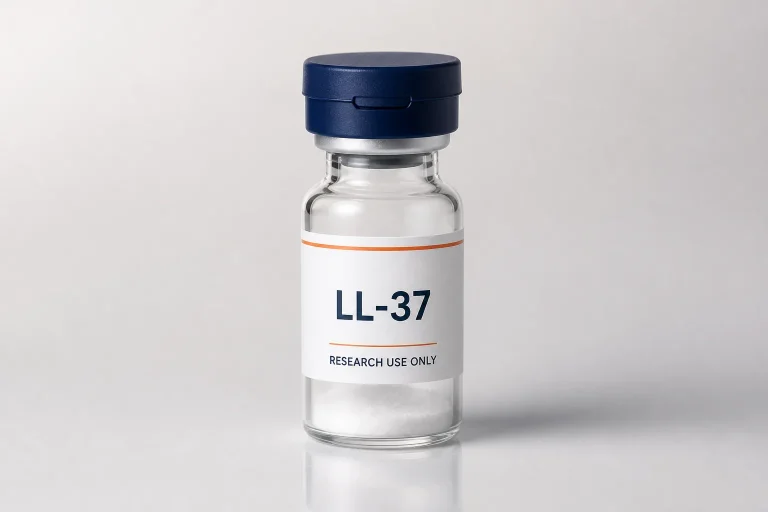 产品包装示意图
抗菌肽研究·人导管素
LL-37
科学产品档案
产品包装示意图
抗菌肽研究·人导管素
LL-37
科学产品档案
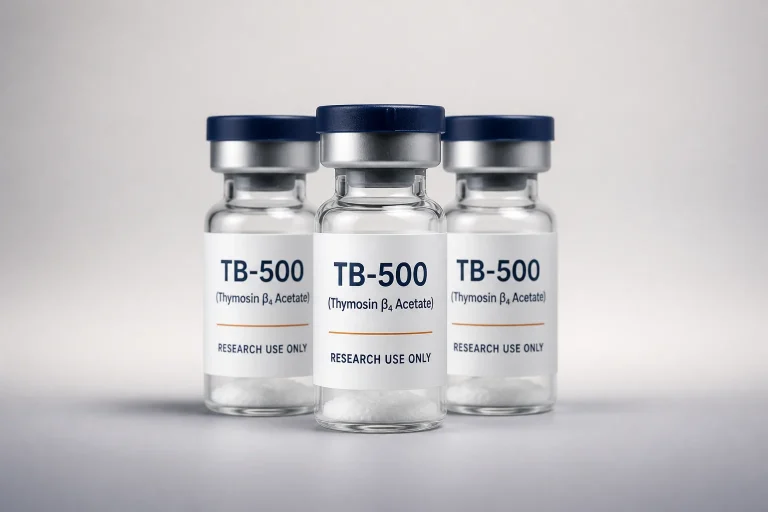 产品包装示意图
愈合与组织修复·来源审查档案
TB-500 (Thymosin β4 Acetate)
来源审查的研究档案
产品包装示意图
愈合与组织修复·来源审查档案
TB-500 (Thymosin β4 Acetate)
来源审查的研究档案
Category knowledge center
How to evaluate this research category
This hub separates molecular identity, study design and lot documentation so related families can be explored without turning unlike evidence into a single claim.
- 8
- canonical families
- 15
- 目录变体
- 8
- reviewed dossiers
- 13
- 链接源记录
What this category includes
- Tendon, ligament and musculoskeletal research families
- Gastrointestinal and cytoprotective experimental compounds
- Repair-related peptide fragments and blends
- Animal, in-vitro, analytical and limited human context
Identity and interpretation checks
- Histology, mechanical strength, pain behavior and time to recovery are different endpoints.
- Trade-style fragment names such as TB-500 require explicit sequence confirmation.
- Do not infer that combining two researched compounds improves outcomes.
Injury model
State the tissue, injury method, species, timing and measured endpoint for every repair finding.
Combination evidence
A blend requires direct combination evidence; evidence for individual components does not prove added benefit.
Human evidence gap
Animal healing signals cannot establish safety or effectiveness in people.
Continue the research
Comparisons and editorial analysis
Use fixed, reviewed comparison pages for defined questions and articles for deeper source context. Product dossiers remain the source for catalog identity and variants.
BPC-157 vs BPC/TB-500
临床前证据比较涵盖材料特性、2026 大鼠跟腱实验以及为什么组合结果不能确定人类康复结果。
Open comparison →2026 大鼠跟腱研究中的 BPC-157 + TB-500:仔细阅读
对 2026 BPC-157 和 TB-500 大鼠跟腱研究的来源主导分析,包括组设计、组织学、生物力学以及缺乏附加的……
阅读分析 →BPC-157 和 TB-500 证据边界:人类数据、FDA 担忧和质量问题
对 BPC-157 和 TB-500 的有限人类证据、当前 FDA 确定的安全信息差距以及研究目录的质量问题进行严格审查……
阅读分析 →眼表的 LL-37:表达和体外抗菌数据
一篇经常被引用的 LL-37 论文检查了人类眼表细胞的表达和实验室检测中的抗菌活性。它没有将 LL-37 作为......
阅读分析 →LL-37 证据边界:内源肽、工程交付和目录材料
“LL-37”可以指内源性人类防御肽、合成检测试剂或工程生物递送系统。其中之一的结果......
阅读分析 →KPV 证据审查:角质形成细胞和结肠炎传递模型
KPV 研究涵盖角质形成细胞应激模型和靶向结肠输送系统。公布的效果是临床前的,FDA 声明尚未鉴定出人类……
阅读分析 →KPV 身份指南:Lys-Pro-Val、形式和内容测试
KPV 是三肽 Lys-Pro-Val,对应于 α-黑素细胞刺激激素的 C 端三肽。简称没有指定盐、末端形式、水……
阅读分析 →Category questions
Evidence and identity FAQ
These answers define how the category is organized. They do not replace the product specification, lot documents or the cited study record.
Why are tissue-repair findings difficult to generalize?
Results depend on tissue, injury severity, species, exposure, timing and the chosen mechanical or histological endpoint.
Does evidence for BPC-157 and TB-500 prove the blend is better?
No. Combination benefit needs a direct comparison, and the available evidence remains model-specific.
What should be confirmed for a repair-peptide catalog item?
Sequence or component identity, material form, catalog variant, applicable model evidence and lot-specific analytical records.