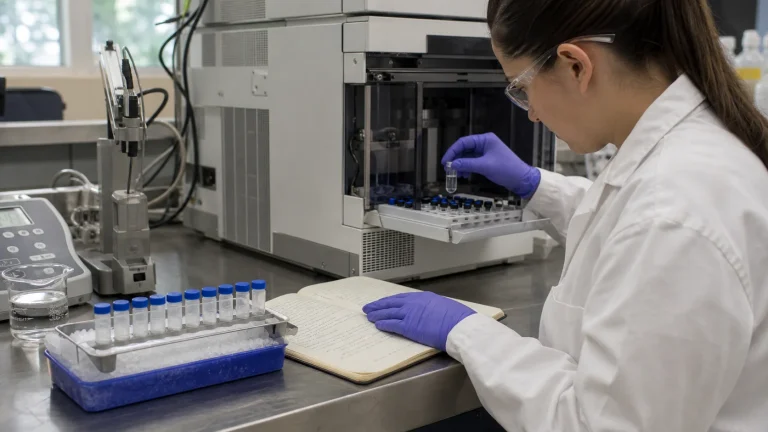
Oxytocin is both an endogenous hormone and a regulated prescription drug. Established obstetric uses do not validate every social, mood, bonding or wellness claim made about the molecule.
Evidence at a glance
- DailyMed lists synthetic oxytocin injection at 10 USP units/mL for IV infusion or IM use under medical supervision.
- The label reports a plasma half-life of about 3–5 minutes and requires hospital supervision for induction or stimulation of labor.
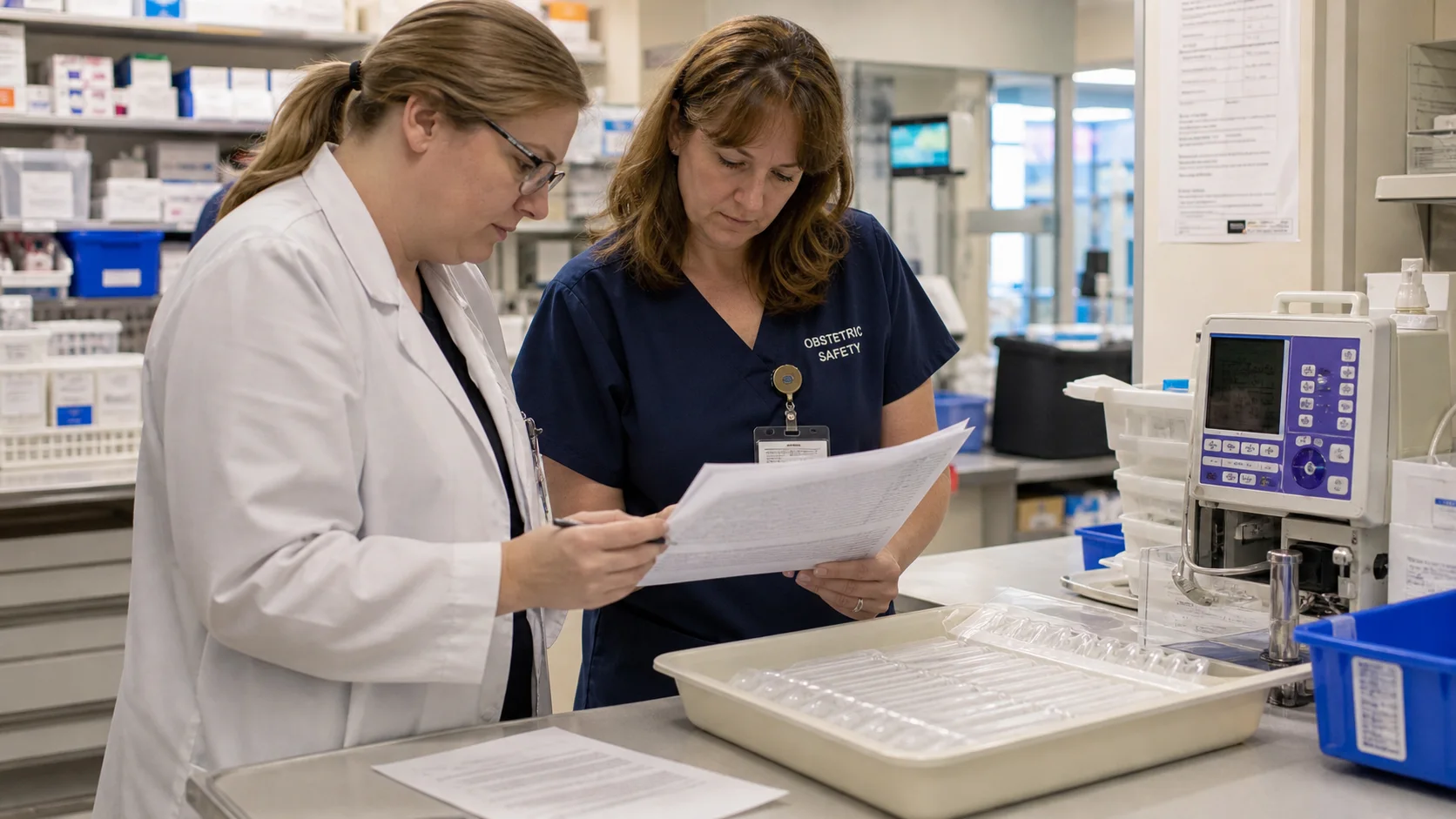
- A 2024 clinical review emphasizes precise pumps, checklists and monitoring because administration errors can cause harm.
Study record
The current DailyMed label describes oxytocin as a sterile clear solution and defines medical indications, contraindications and warnings. It states that induction or stimulation of labor must occur by intravenous route with adequate medical supervision in a hospital.
Results in context
The 2024 review covers physiology, pharmacology, infusion regimens and risks, including the need for trained nursing staff to monitor uterine activity and fetal heart-rate changes. Those safety requirements are incompatible with casual wellness framing.
Central nervous-system research asks different questions from the obstetric label. Evidence about endogenous signaling or experimental intranasal paradigms should not be used to imply that a catalog acetate material is an approved behavioral treatment.
What the evidence cannot establish
A finished-drug label applies to that formulation, route and supervised use, not to catalog material.
Physiological plausibility does not establish a social or psychiatric treatment effect.
Units of biological activity and milligrams of peptide are not interchangeable without a validated potency relationship.
Sources & editorial method
This article discusses the source records listed below, with the study models and limitations stated alongside the findings. AI-assisted drafting and image generation were used. The reference list identifies the records behind this article; it is not an independent peer review or verification of a supplied catalog lot.
4 linked records are listed in the references below. Read the editorial and AI-assistance policy.
How to interpret this article
Source-checked on 2026-09-02. Null results, sample size, model/population limits and regulatory scope are retained. This is not medical advice, a customer case or validation of a catalog lot.
Research-use boundary: Catalog materials discussed on this website are for laboratory research, development and manufacturing use only, not for human or veterinary use. This content is not medical advice and does not provide administration instructions.
Primary records and authoritative sources
- DailyMed Oxytocin Injection, USP labelOfficial U.S. prescription label, updated March 2025.
- Oxytocin physiology, pharmacology and labor management2024 clinical review; PMID 37460365.
- Oxytocin degradation kinetics and productsPrimary formulation-degradation study; PMID 19343484.
- PubChem Oxytocin recordSequence, disulfide, formula and molecular weight; CID 439302.
Continue with structured records
Move from this editorial analysis to the product identity, filtered evidence and controlled terminology behind it.