


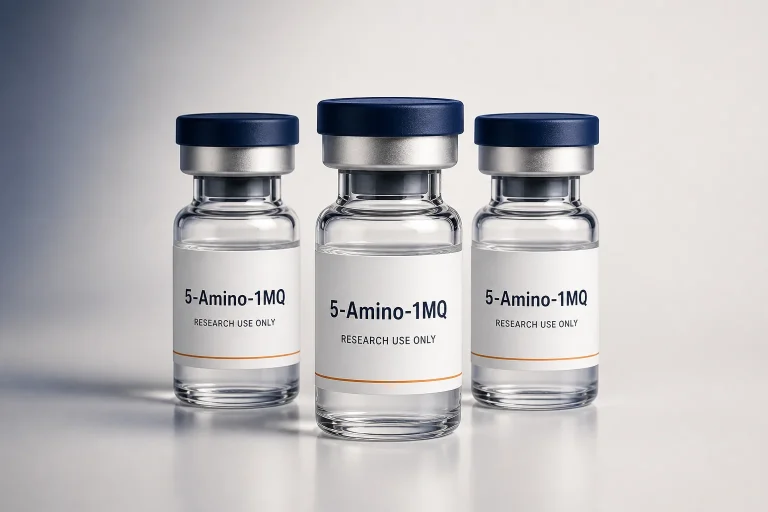
 Packaging mockup
Metabolic Research · NNMT
5-Amino-1MQ
Scientific Dossier
Packaging mockup
Metabolic Research · NNMT
5-Amino-1MQ
Scientific Dossier
Metabolic & Body-Composition Research Families
This center covers incretin, glucagon, amylin, mitochondrial and other metabolic research families. Approved finished medicines, investigational trial agents and research-use catalog materials are deliberately kept separate.
12 families found for “Metabolic & Weight Loss”
Clear filterPackaging mockup
Metabolic Research · NNMT
5-Amino-1MQ
Scientific Dossier
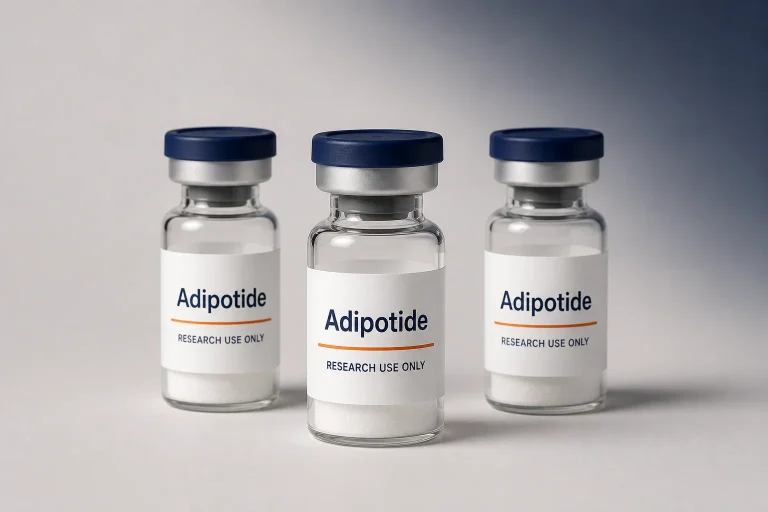 Packaging mockup
Metabolic & Weight Loss · Source-reviewed dossier
Adipotide
Source-Reviewed Research Dossier
Packaging mockup
Metabolic & Weight Loss · Source-reviewed dossier
Adipotide
Source-Reviewed Research Dossier
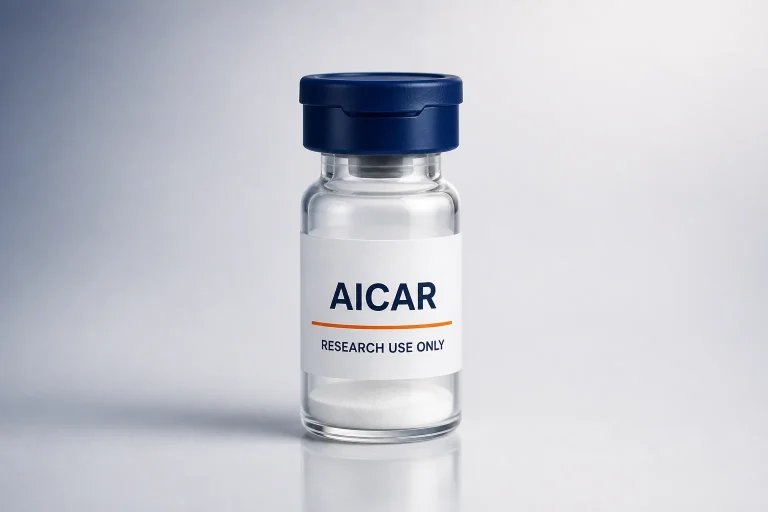 Packaging mockup
Metabolic & Weight Loss · Source-reviewed dossier
AICAR
Source-Reviewed Research Dossier
Packaging mockup
Metabolic & Weight Loss · Source-reviewed dossier
AICAR
Source-Reviewed Research Dossier
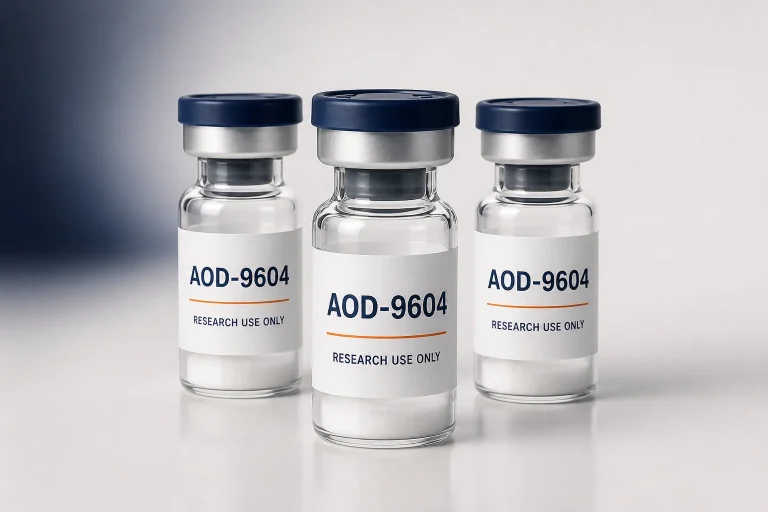 Packaging mockup
Metabolic & Weight Loss · Growth-hormone fragment research
AOD-9604
Scientific Product Dossier
Packaging mockup
Metabolic & Weight Loss · Growth-hormone fragment research
AOD-9604
Scientific Product Dossier
 Packaging mockup
Metabolic & Weight Loss · Amylin analogue research
Cagrilintide
Scientific Product Dossier
Packaging mockup
Metabolic & Weight Loss · Amylin analogue research
Cagrilintide
Scientific Product Dossier
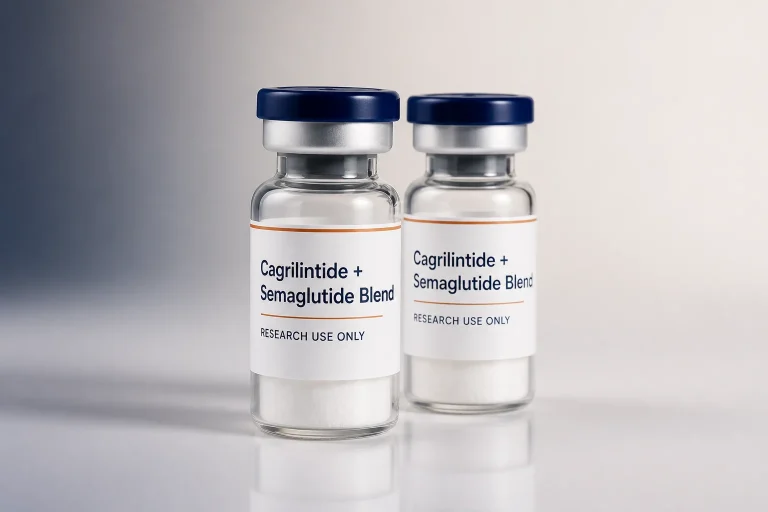 Packaging mockup
Metabolic & Weight Loss · Source-reviewed dossier
Cagrilintide + Semaglutide Blend
Source-Reviewed Research Dossier
Packaging mockup
Metabolic & Weight Loss · Source-reviewed dossier
Cagrilintide + Semaglutide Blend
Source-Reviewed Research Dossier
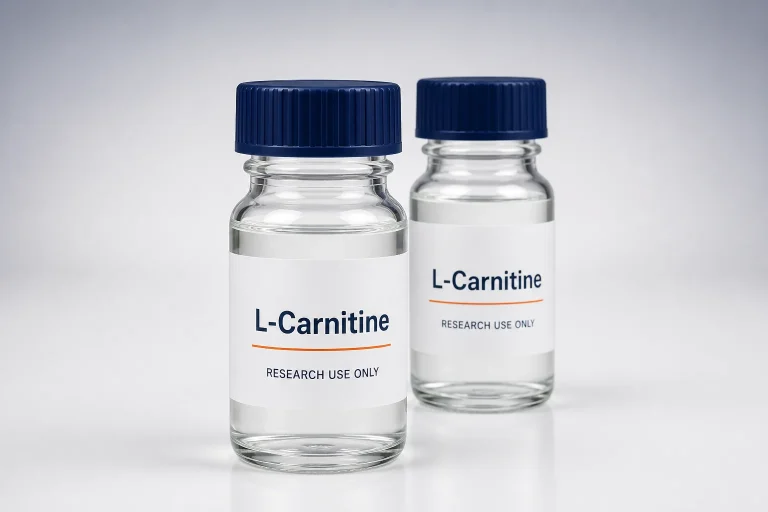 Packaging mockup
Metabolic & Weight Loss · Source-reviewed dossier
L-Carnitine
Source-Reviewed Research Dossier
Packaging mockup
Metabolic & Weight Loss · Source-reviewed dossier
L-Carnitine
Source-Reviewed Research Dossier
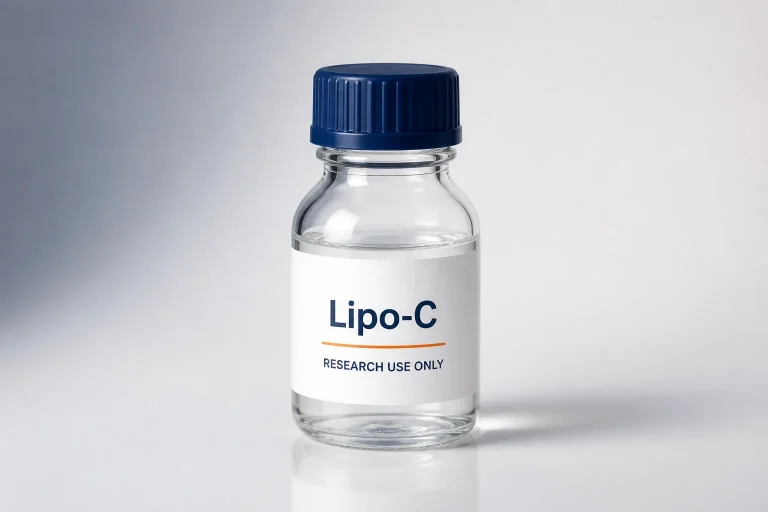 Packaging mockup
Metabolic & Weight Loss · Source-reviewed dossier
Lipo-C
Catalog Record — Composition Verification Pending
Packaging mockup
Metabolic & Weight Loss · Source-reviewed dossier
Lipo-C
Catalog Record — Composition Verification Pending
 Packaging mockup
Mitochondrial-derived peptide research · MOTS-c
MOTS-c (Human)
Scientific Product Dossier
Packaging mockup
Mitochondrial-derived peptide research · MOTS-c
MOTS-c (Human)
Scientific Product Dossier
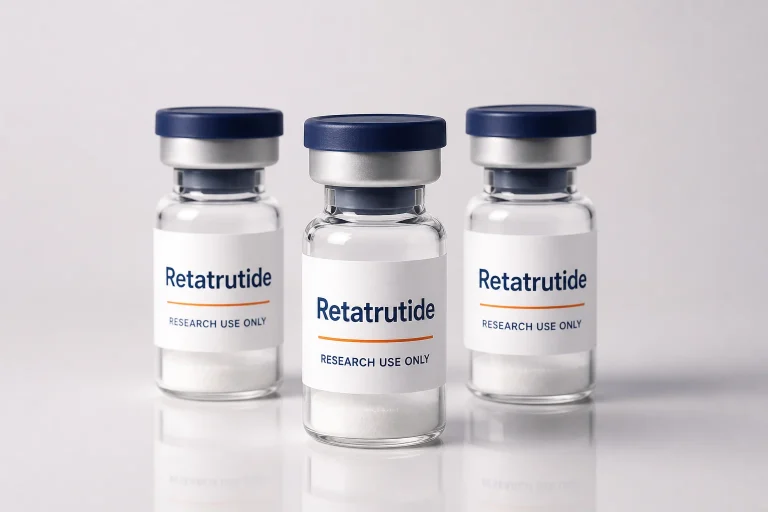 Packaging mockup
Metabolic & Weight Loss · Triple-receptor research
Retatrutide
Scientific Product Dossier
Packaging mockup
Metabolic & Weight Loss · Triple-receptor research
Retatrutide
Scientific Product Dossier
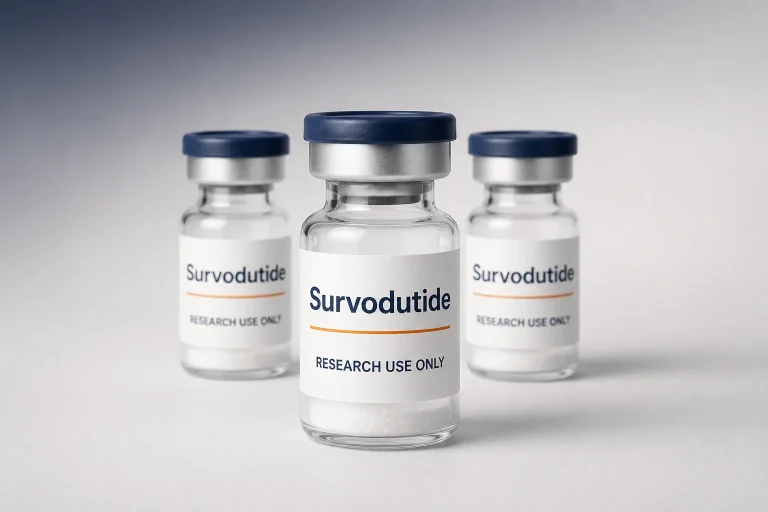 Packaging mockup
Metabolic & Weight Loss · Dual glucagon/GLP-1 research
Survodutide
Scientific Product Dossier
Packaging mockup
Metabolic & Weight Loss · Dual glucagon/GLP-1 research
Survodutide
Scientific Product Dossier
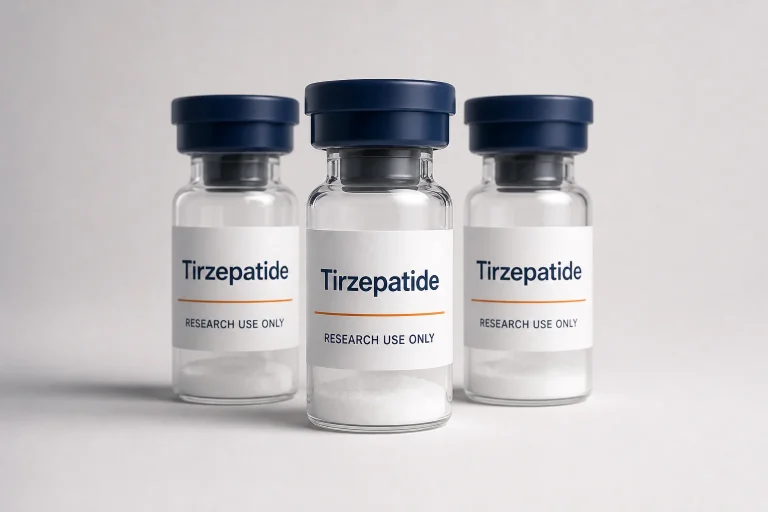 Packaging mockup
Metabolic & Weight Loss · GIP/GLP-1 research
Tirzepatide
Scientific Product Dossier
Packaging mockup
Metabolic & Weight Loss · GIP/GLP-1 research
Tirzepatide
Scientific Product Dossier
Category knowledge center
How to evaluate this research category
This hub separates molecular identity, study design and lot documentation so related families can be explored without turning unlike evidence into a single claim.
- 12
- canonical families
- 40
- catalog variants
- 11
- reviewed dossiers
- 31
- linked source records
What this category includes
- GLP-1, GIP, glucagon and amylin pathway research
- Mitochondrial and energy-balance research compounds
- Single agents and explicitly identified multi-component blends
- Human trial, preclinical, regulatory and material-identity records
Identity and interpretation checks
- Do not compare percentages from separate trials as if participants and protocols were randomized head-to-head.
- A receptor-mechanism label does not establish a clinical outcome.
- Blend pages require the identity and amount of every component; a trade-style name is insufficient.
Development status
Identify whether the cited entity is approved, investigational, discontinued or limited to experimental research.
Trial context
Report population, dose assignment, duration, comparator and endpoint without making indirect cross-trial rankings.
Material distinction
Evidence for a finished medicine does not verify the composition, formulation or clinical interchangeability of a catalog material.
Continue the research
Comparisons and editorial analysis
Use fixed, reviewed comparison pages for defined questions and articles for deeper source context. Product dossiers remain the source for catalog identity and variants.
Retatrutide vs Tirzepatide
A source-reviewed comparison of receptor design, published obesity trials, regulatory status and the limits of cross-trial interpretation. No completed head-to-head randomized trial establishes that one is superior to the other.
Open comparison →Tirzepatide vs CagriSema
A cross-program evidence map comparing dual GIP/GLP-1 agonism with coadministered amylin/GLP-1 agonism. This is not a head-to-head efficacy verdict.
Open comparison →Tirzepatide Dual GIP/GLP-1 Signaling: Mechanism and Trial Endpoints Explained
An evidence-led explanation of tirzepatide dual receptor agonism and the endpoints measured in SURPASS and SURMOUNT trials, with clear limits on applying drug data…
Read analysis →Tirzepatide in 2026: Approved Drug Evidence vs Research-Use Material
Why an FDA-approved tirzepatide medicine, a compounded product and a research-use catalog material are not interchangeable evidence categories.
Read analysis →Survodutide in SYNCHRONIZE-1: The 2026 Phase 3 Numbers in Context
SYNCHRONIZE-1 is the largest published survodutide obesity trial to date. The useful evidence is in the complete denominator, estimand, placebo response and adverse-event pattern—not…
Read analysis →Survodutide Research Status: Dual Glucagon/GLP-1 Biology, Trials and Material Identity
Survodutide is a dual glucagon-receptor and GLP-1-receptor agonist in clinical development. “Dual agonist” describes receptor pharmacology; it is not a certificate of clinical status…
Read analysis →Retatrutide Triple Agonism: What the Phase 2 Trial Found—and Did Not Prove
A close reading of retatrutide’s GIP, GLP-1 and glucagon receptor pharmacology and the 48-week phase 2 obesity trial, including limitations and current investigational status.
Read analysis →Retatrutide Development Status in 2026: An Evidence Map for Researchers
A 2026 evidence map separating published retatrutide phase 2 data, completed phase 3 study records, unposted results and regulatory status.
Read analysis →Category questions
Evidence and identity FAQ
These answers define how the category is organized. They do not replace the product specification, lot documents or the cited study record.
Why distinguish an approved drug from research material?
Approval applies to a defined finished product, formulation, manufacturer and labeled use; it does not transfer to an unrelated catalog lot.
Can trial weight-change percentages be compared directly?
Only cautiously. Different populations, estimands, durations and missing-data methods make indirect rankings unreliable.
What should a metabolic product page verify?
The exact molecular entity, sequence or chemical form, catalog variants, development status, evidence model and lot-document scope.