


 Packaging mockup
Reproductive & Hormone · Source-reviewed dossier
Gonadorelin Acetate
Source-Reviewed Research Dossier
Packaging mockup
Reproductive & Hormone · Source-reviewed dossier
Gonadorelin Acetate
Source-Reviewed Research Dossier
Reproductive, Gonadotropin & Hormone Research
This center groups gonadotropins, releasing-hormone analogues, kisspeptin-related materials and other reproductive-axis research families. Finished biologic medicines and catalog research materials require separate identity and regulatory treatment.
6 families found for “Reproductive & Hormone”
Clear filterPackaging mockup
Reproductive & Hormone · Source-reviewed dossier
Gonadorelin Acetate
Source-Reviewed Research Dossier
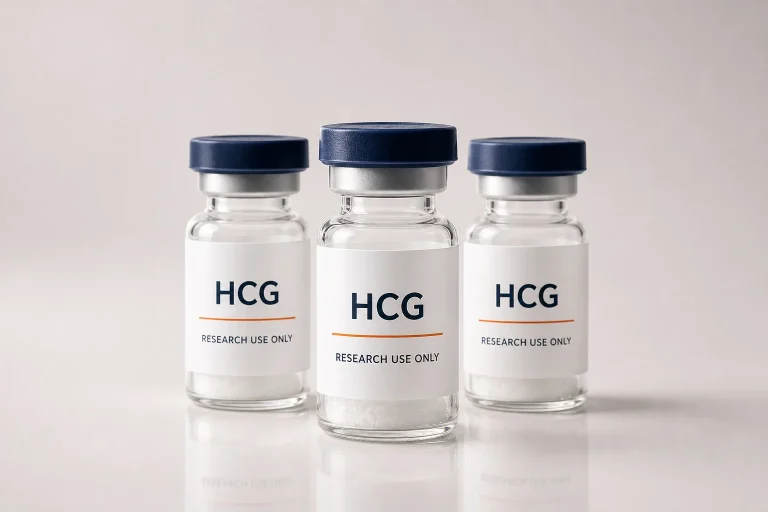 Packaging mockup
Reproductive & Hormone · Source-reviewed dossier
HCG
Source-Reviewed Research Dossier
Packaging mockup
Reproductive & Hormone · Source-reviewed dossier
HCG
Source-Reviewed Research Dossier
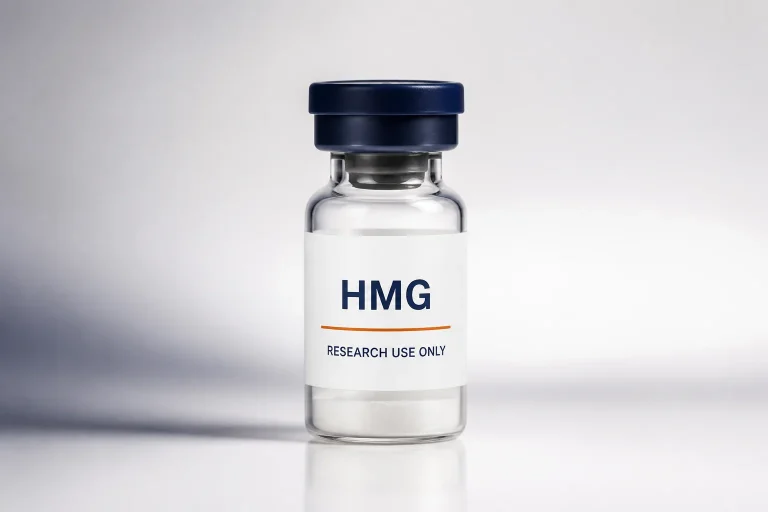 Packaging mockup
Reproductive & Hormone · Source-reviewed dossier
HMG
Source-Reviewed Research Dossier
Packaging mockup
Reproductive & Hormone · Source-reviewed dossier
HMG
Source-Reviewed Research Dossier
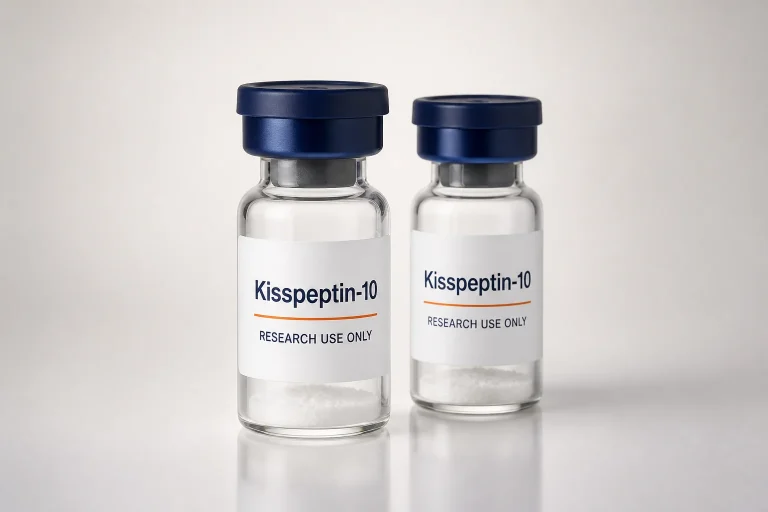 Packaging mockup
Reproductive & Hormone · Source-reviewed dossier
Kisspeptin-10
Source-Reviewed Research Dossier
Packaging mockup
Reproductive & Hormone · Source-reviewed dossier
Kisspeptin-10
Source-Reviewed Research Dossier
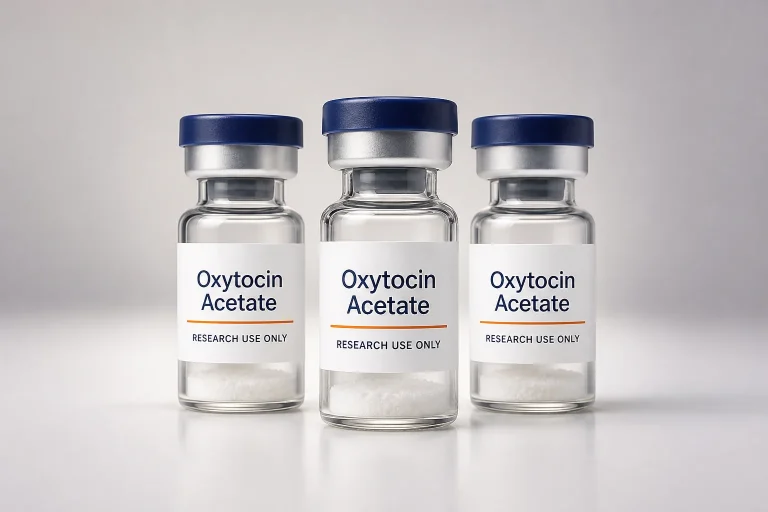 Packaging mockup
Reproductive & Hormone · Source-reviewed dossier
Oxytocin Acetate
Source-Reviewed Research Dossier
Packaging mockup
Reproductive & Hormone · Source-reviewed dossier
Oxytocin Acetate
Source-Reviewed Research Dossier
 Packaging mockup
Reproductive & Hormone · Source-reviewed dossier
PT-141 (Bremelanotide)
Source-Reviewed Research Dossier
Packaging mockup
Reproductive & Hormone · Source-reviewed dossier
PT-141 (Bremelanotide)
Source-Reviewed Research Dossier
Category knowledge center
How to evaluate this research category
This hub separates molecular identity, study design and lot documentation so related families can be explored without turning unlike evidence into a single claim.
- 6
- canonical families
- 14
- catalog variants
- 6
- reviewed dossiers
- 12
- linked source records
What this category includes
- Gonadotropin and reproductive-axis protein materials
- GnRH and kisspeptin-related peptide families
- Hormone and endocrine signaling research compounds
- Human, animal, regulatory and identity evidence
Identity and interpretation checks
- International units require a defined biological reference and cannot be inferred from mass.
- LH, hCG, FSH and HMG are related but not interchangeable molecular entities.
- Endocrine studies require careful population, sex, cycle-stage and endpoint interpretation.
Protein identity
For gonadotropins, confirm source, subunit composition, potency unit and product form.
Regulatory distinction
An approved finished hormone medicine is not evidence that a catalog material is interchangeable.
Endocrine endpoint
Hormone concentrations, ovulation, gamete outcomes and clinical fertility are different levels of evidence.
Continue the research
Comparisons and editorial analysis
Use fixed, reviewed comparison pages for defined questions and articles for deeper source context. Product dossiers remain the source for catalog identity and variants.
Bremelanotide RECONNECT Trials: Endpoints, Safety and FDA Scope
Bremelanotide has a real FDA-approved finished-drug record, but its scope is narrow. The RECONNECT trials studied premenopausal women with acquired, generalized HSDD—not men, performance…
Read analysis →PT-141/Bremelanotide: Free Base, Acetate and Finished-Drug Boundary
PT-141 is the development code associated with bremelanotide. A free-base peptide, its acetate form and the approved finished injection are related records, but they…
Read analysis →Oxytocin Evidence Guide: Physiology, Label and Claim Boundaries
Oxytocin is both an endogenous hormone and a regulated prescription drug. Established obstetric uses do not validate every social, mood, bonding or wellness claim…
Read analysis →Oxytocin Identity Guide: Nonapeptide, Disulfide and Stability
Oxytocin is a cyclic nonapeptide with a Cys1–Cys6 disulfide bridge and a C-terminal amide. Sequence, disulfide state, counterion, aggregation and potency are distinct quality…
Read analysis →Kisspeptin-10 and LH Pulses: The Small Human Physiology Study
A 2011 study established that kisspeptin-10 can acutely stimulate luteinizing-hormone secretion in healthy men. Its detailed pulse data are valuable physiology, but the very…
Read analysis →Kisspeptin-10 vs Kisspeptin-54: Sequence and Amidation Guide
Kisspeptin-10 is the C-terminal decapeptide YNWNSFGLRF-amide. It shares an active C-terminal region with longer kisspeptins but is not the same material as kisspeptin-54.
Read analysis →Category questions
Evidence and identity FAQ
These answers define how the category is organized. They do not replace the product specification, lot documents or the cited study record.
Why do some reproductive materials use IU instead of mass?
IU describes biological activity against a reference standard; conversion to mass is product-specific and should not be assumed.
Are hCG and LH the same?
No. They share receptor biology but differ in molecular structure, pharmacology and product identity.
What should a gonadotropin specification include?
The named protein, source or recombinant status, potency basis, formulation, pack presentation and lot-release documents.