


Serial dilution
Plan a concentration series.
100 µL per well · 10% overage · 96-well plate
Advanced settings
Calculated locally in your browser.
Your dilution series
Build a plan to see your concentration series.
Illustrative colors, not measured appearance.
Well allocation preview
The calculation trail will appear here.
Preparation table & full plate map
| Level | Concentration | Total to prepare | Transfer from previous | Add diluent | Plate dispense |
|---|
Full plate map
Sequential assignment by concentration, then replicate. The preview above groups the same wells by level.
Concentration planning only. Confirm pipette limits and mixing requirements.
From calculation to catalog
Explore related product families
Catalog navigation, not a recommendation for biological use. These selections do not depend on your inputs or results. Confirm molecular form and lot documentation separately.
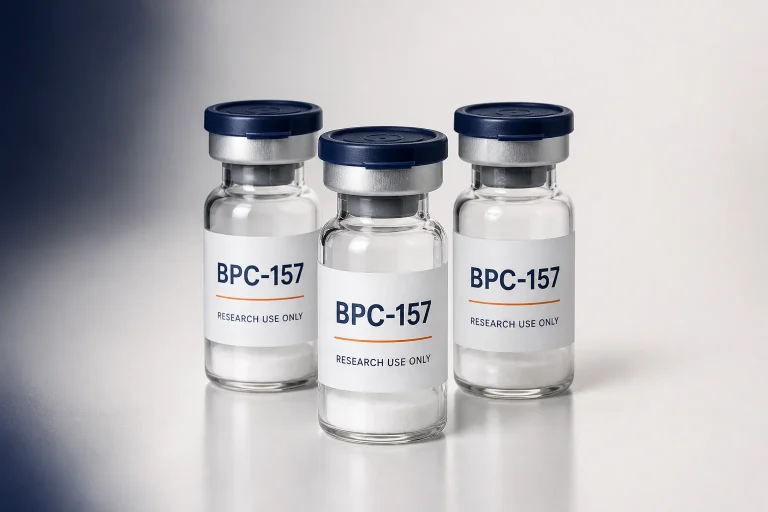 Packaging mockup
Healing & Tissue Repair
BPC-157
4 catalog variants · Identity & research references
View product family ↗ Packaging mockup
Cosmetic & Skin
GHK-Cu
2 catalog variants · Identity & research references
View product family ↗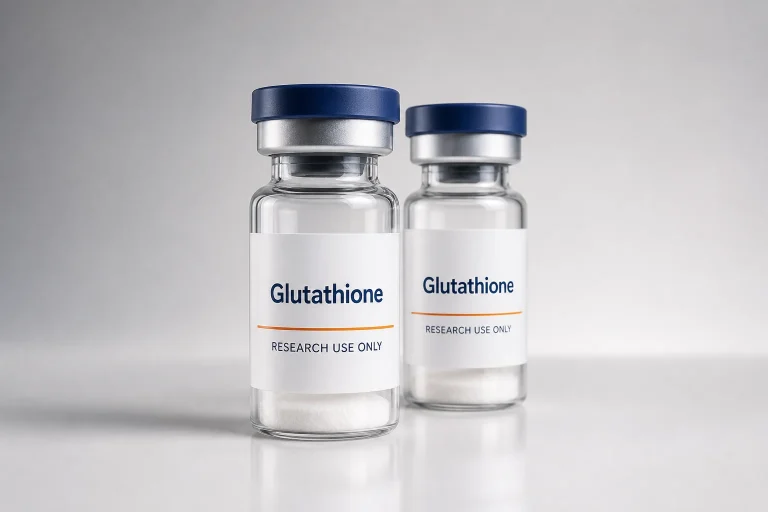 Packaging mockup
Cosmetic & Skin
Glutathione
2 catalog variants · Identity & research references
View product family ↗Calculation basis
Methods and source records
These links document the calculation conventions or laboratory context. They do not validate a catalog lot or replace a controlled laboratory method.
- 01Technical source
Assay Guidance Manual
NCATS/NIH Assay Guidance Manual. Laboratory context for assay development, scaling and microtiter-plate formats; the on-page planner performs arithmetic only.
- 02Technical source
NIST Guide to the SI, Chapter 8
National Institute of Standards and Technology. Unit and quantity conventions used by the planner.
Other tools
Continue the workflow
Peptide calculator
Concentration = mass ÷ final volume
Open →Peptide sequence analyzer
sequence → composition, mass, pI & charge
Open →Identity & alias checker
name → reviewed identity record
Open →Your next step
Find a product. Ask about the details.
Browse catalog sizes, or contact us about product identity, document availability and a quotation. Your calculator inputs are not attached to your inquiry.


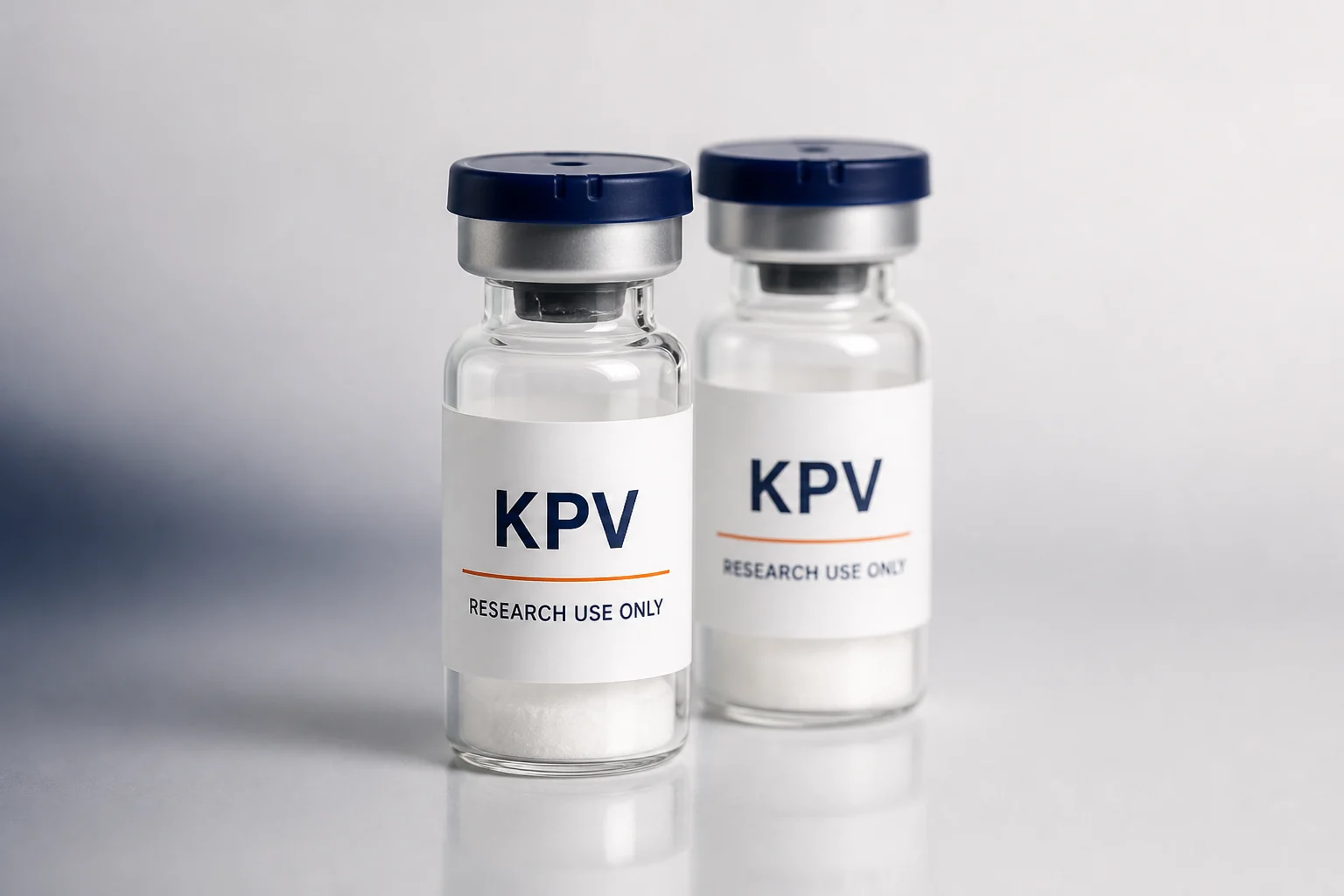 KPV
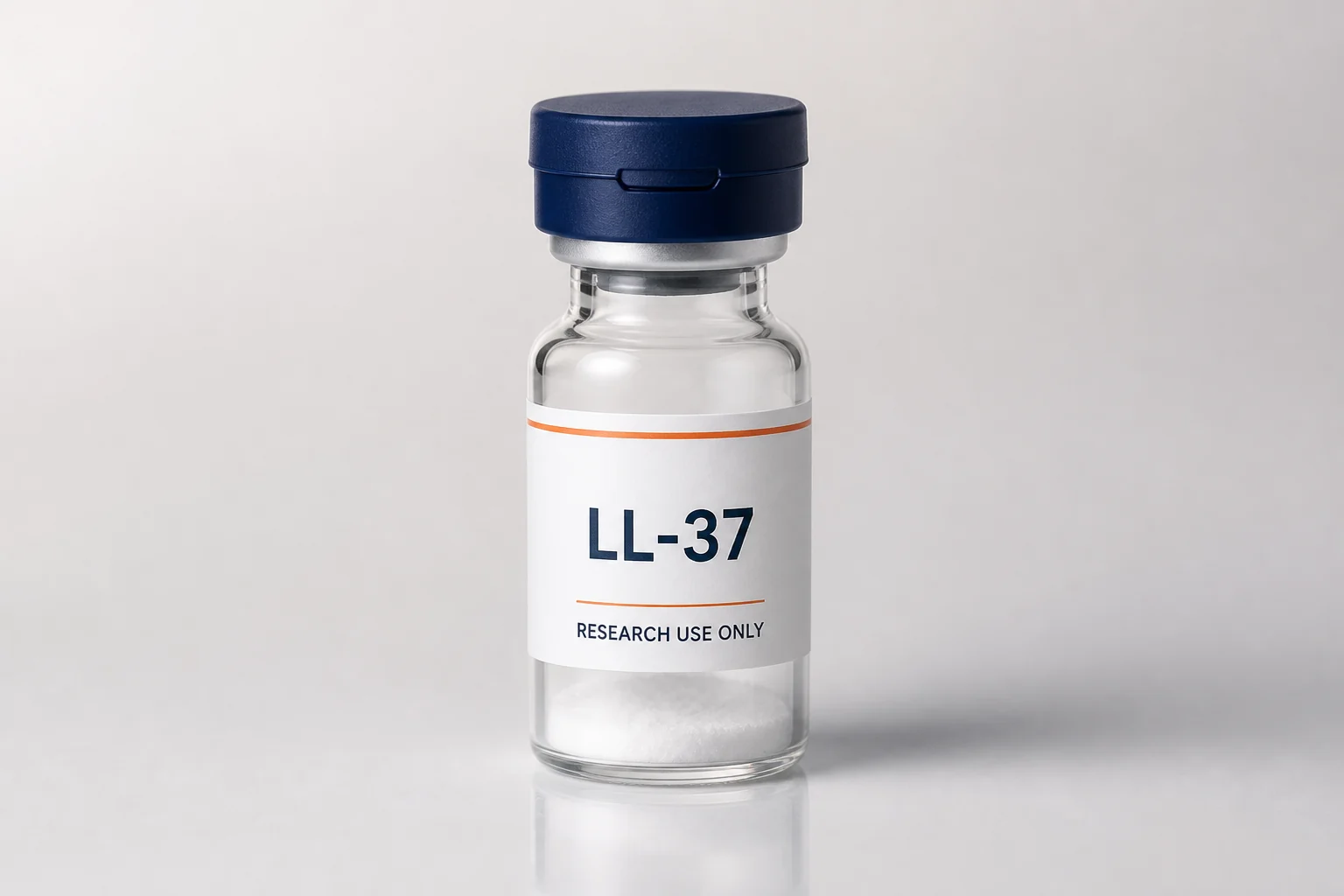 LL-37