DSIP is a defined nonapeptide also indexed as emideltide. The exact nine-residue sequence is clearer than its proposed endogenous mechanism.
Evidence at a glance
- PubChem lists the sequence WAGGDASGE, formula C35H48N10O15 and molecular weight 848.8 g/mol.
- The record includes both 62568-57-4 and 69431-45-4 among identifiers, so a certificate should state the exact indexed form used.
- Analytical identity does not resolve the peptide’s physiological receptor or prove a sleep outcome.
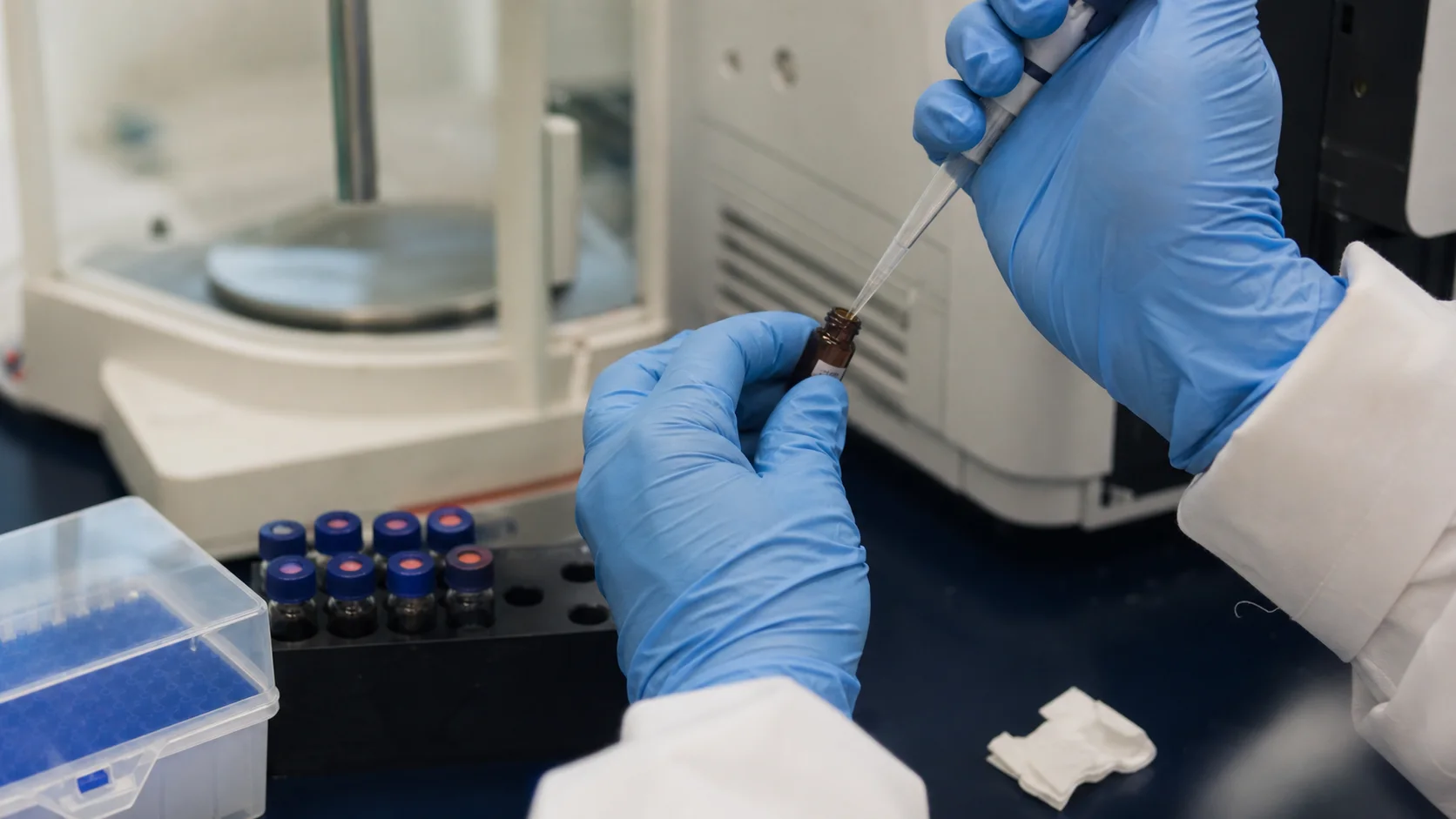
Identity record
The N-terminal tryptophan and C-terminal glutamic acid are part of the reference record. Truncation products can affect intact mass and may not be obvious from a nonspecific total-nitrogen or UV measurement.
Analytical and evidence boundary
A fit-for-purpose LC-MS method can support intact identity and detect selected related species. Quantitative content, water and residual solvents require their own validated or qualified measurements.
Use the term “DSIP-like immunoreactivity” only when a cited assay actually measured it. The critical review warns that immunoreactive material may not be identical to the synthetic nonapeptide.
Editorial rule
State the exact material, form, model or population and endpoint supported by the cited record. Do not convert mechanistic plausibility, an animal result, an official finished-drug label or an analytical test into a claim about an unrelated catalog lot.
Sources & editorial method
This article discusses the source records listed below, with the study models and limitations stated alongside the findings. AI-assisted drafting and image generation were used. The reference list identifies the records behind this article; it is not an independent peer review or verification of a supplied catalog lot.
3 linked records are listed in the references below. Read the editorial and AI-assistance policy.
How to interpret this article
Source-checked on 2026-09-02. Null results, sample size, model/population limits and regulatory scope are retained. This is not medical advice, a customer case or validation of a catalog lot.
Research-use boundary: Catalog materials discussed on this website are for laboratory research, development and manufacturing use only, not for human or veterinary use. This content is not medical advice and does not provide administration instructions.
Primary records and authoritative sources
- Delta sleep-inducing peptide: a still unresolved riddleGraf MV, Kastin AJ. Peptides. 2006. PMID 16539679.
- DSIP effects on rat EEG and power spectraPrimary 2000 Wistar-rat study; PMID 11214497.
- PubChem Delta Sleep-Inducing Peptide recordSequence, formula, molecular weight and emideltide synonym; CID 68816.
Continue with structured records
Move from this editorial analysis to the product identity, filtered evidence and controlled terminology behind it.