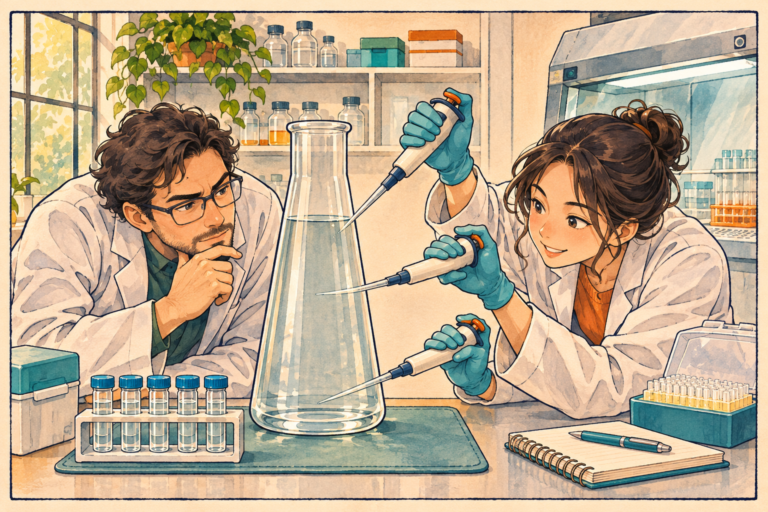
When you only have a few milligrams of sample, the biggest risk is running out of material before answering the key questions. It is usually more helpful to first ask the lab how much it needs and which steps consume sample, then set the order of testing, rather than asking for "everything" right away.

First write down the decision this submission is meant to support
Are you trying to verify identity, compare a purity result, or understand content? These tasks may require different methods and sample amounts. First write down "what decision will this result affect?" For example, when there is only a name label, identity and batch correspondence may be more urgent than an additional test that has little bearing on the current use. This article is about submission planning and does not prescribe a uniform set of tests for all peptides.
Confirm sample amounts with the actual testing laboratory
Distinguish the amount needed to complete one test, the amount needed for repeat sample preparation, the amount needed for method development or replacement after failure, and the leftover sample you want to keep. A minimum submission amount stated by one supplier does not automatically apply to another laboratory or another method. Also confirm whether pre-prepared solutions are accepted, container and shipping requirements, whether there are destructive operations, and whether returned samples can be used for follow-up research.

Hypothetical 5.0 mg submission budget
- Item A / B / C: 0.4 / 0.6 / 0.5 mg (hypothetical allocation)
- Backup or recheck: 1.0 mg
- Reserved material not consumed for now: 2.5 mg; total 5.0 mg
Practice allocation with a hypothetical 5 mg budget
Assume there is a total of 5.0 mg of material, and it has been agreed with the laboratory that: item A reserves 0.4 mg, item B 0.6 mg, item C 0.5 mg, backup or recheck 1.0 mg, and the remaining 2.5 mg is left untouched for now. The total is still 5.0 mg. This example is only a budgeting exercise; A, B, and C do not correspond to real instruments or universal minimum amounts. Actual allocation must be based on laboratory confirmation and research purpose, and the milligram numbers cannot be copied directly. [1]
Some tests can be sequenced rather than all dismantled at once
If the first identity check finds that the material does not match expectations, subsequent work may need to pause and be clarified; if the preliminary information matches expectations, then continue with other pre-agreed items. Whether sample preparation solutions can be shared must also be confirmed by the laboratory. Samples that have undergone acid, solvent, or other treatment may no longer be suitable for another test, and it cannot be assumed that the material can be fully recovered after every step.
Agree in advance on how to handle anomalous results
Before submission, write clearly when the client will be contacted, whether retesting is allowed, whether additional sample is needed, and how raw data and leftover samples will be handled. Do not, after results fail to meet expectations, simply select the run closest to the desired outcome for reporting. If the material has multiple forms or multiple batches, number them separately; samples with the same name cannot substitute for one another. Keeping the original vial and aliquoting records together can reduce later identity disputes.
When inquiring about NHD materials, bring the testing plan
Specifications and documents for Survodutide, SNAP-8, or LL-37 can first be checked on the relevant product pages. In the inquiry, state how much material is needed, what you plan to do, and the sample requirements raised by the testing party. The batch documents and specific testing services that can be provided need to be confirmed item by item; this article does not indicate that NHD or a third party promises to complete testing using the hypothetical amounts, nor does it provide fixed prices.
Original sources
Check the study conditions and material records separately. Calculations labeled as examples are not batch test results.
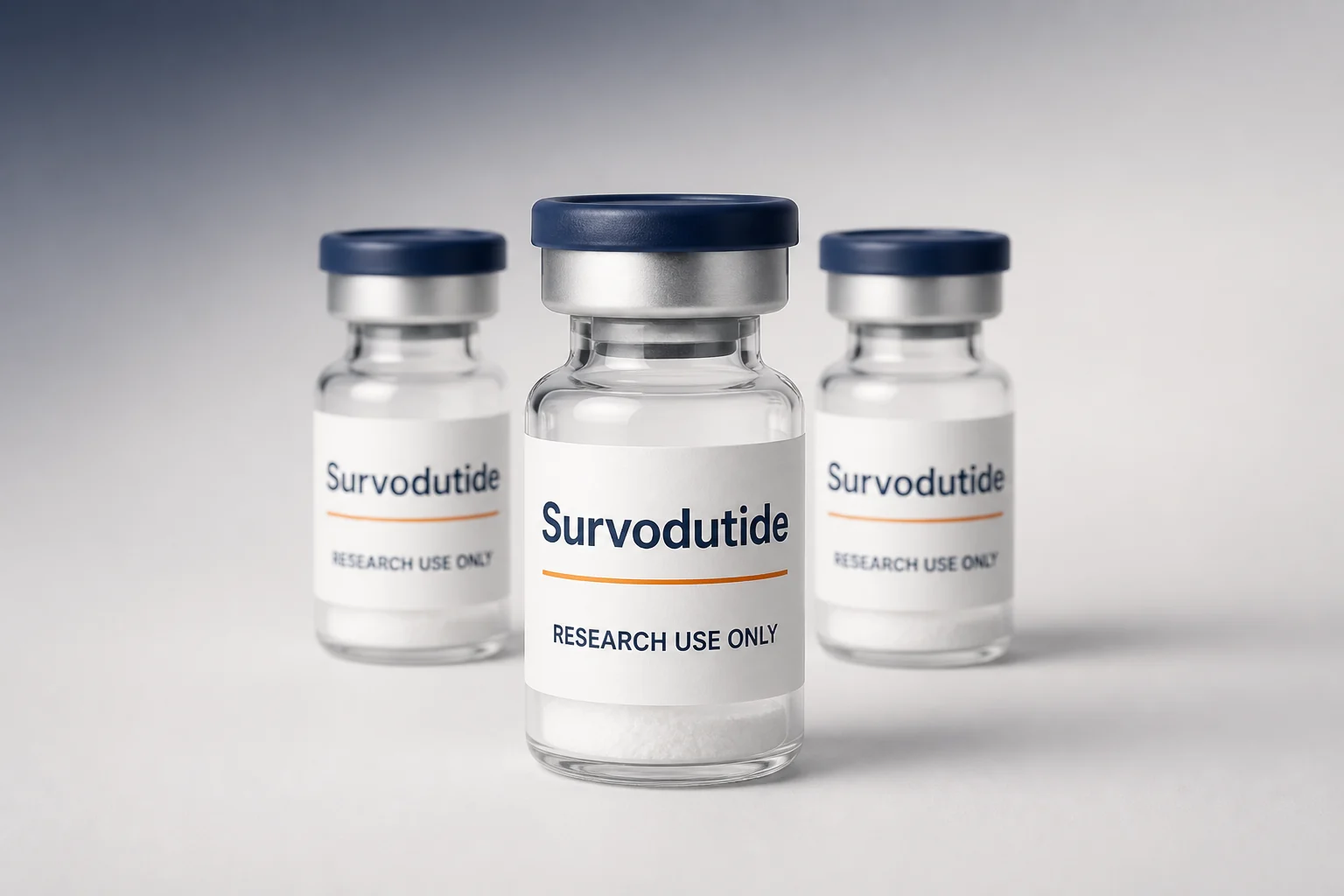 Survodutide
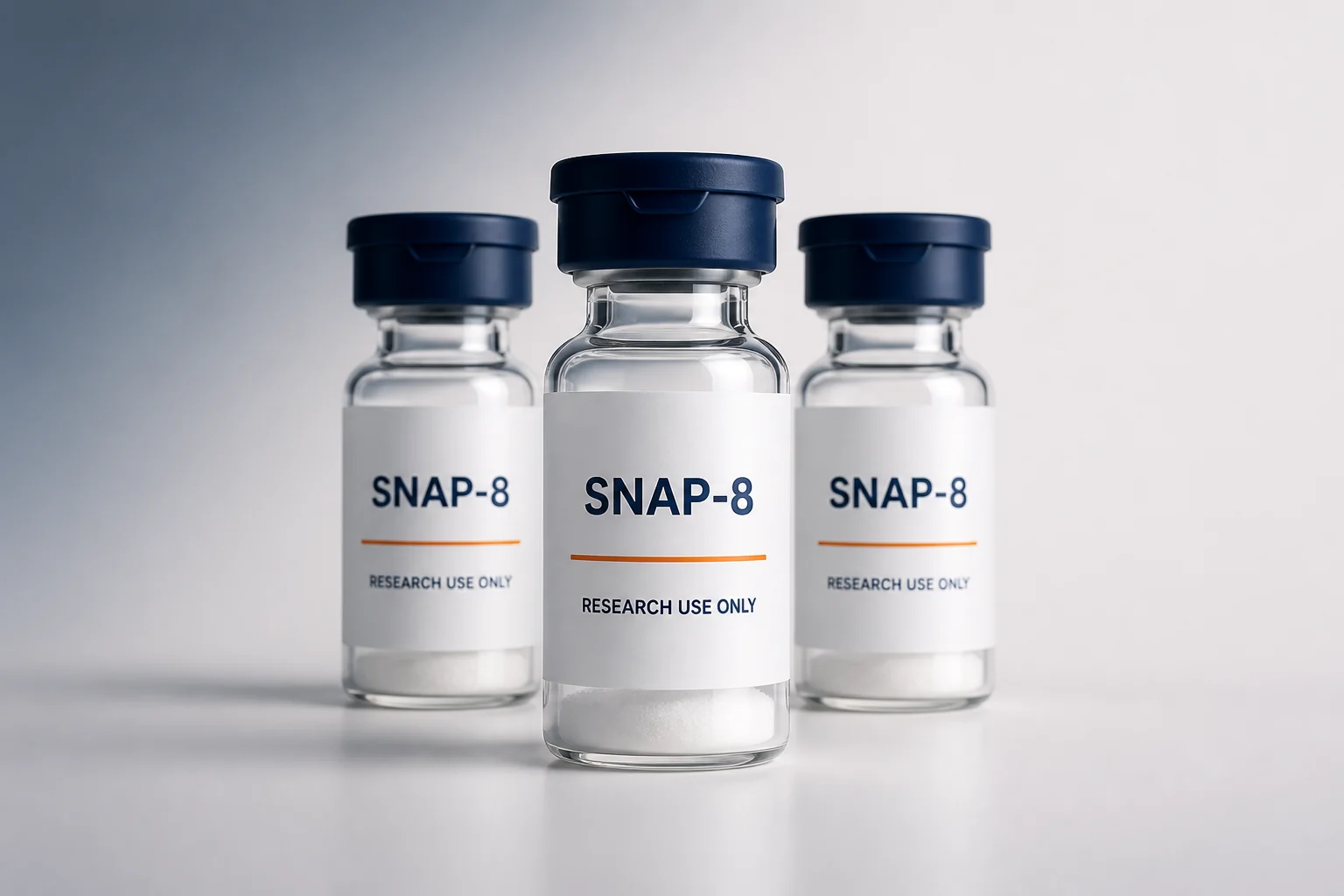 SNAP-8
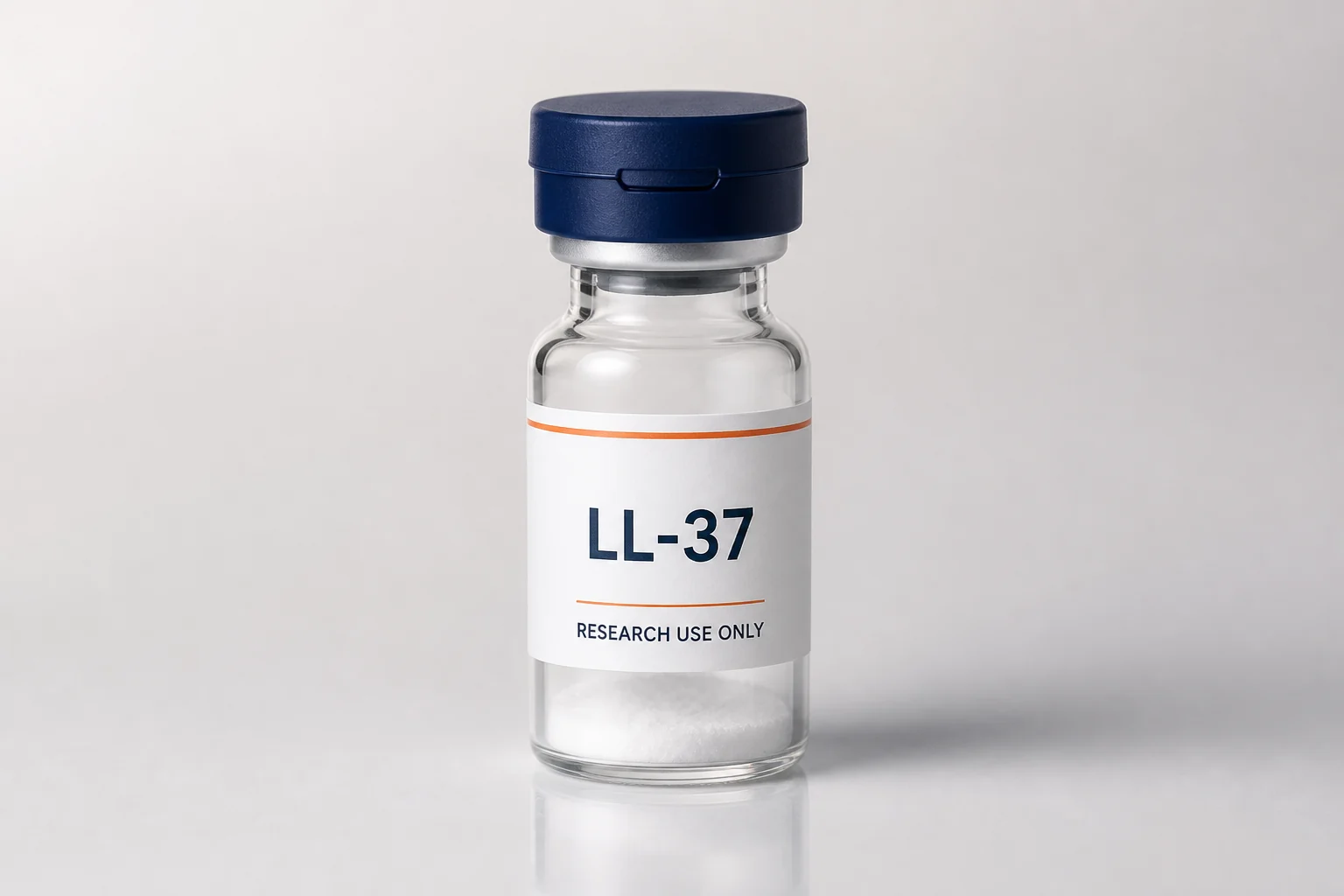 LL-37