Recent Epitalon papers report telomere-related changes in cultured cells and oxidative-stress findings in post-ovulatory mouse oocytes. Neither experiment demonstrates longer life, slower aging or clinical benefit in people.
Evidence at a glance
- The 2025 telomere paper used breast-cancer, epithelial and fibroblast cell lines, not human participants.
- Normal fibroblast and epithelial cells were exposed to 1 µg/mL for three weeks; cancer cells received 0.1–1 µg/mL for four days.
- The 2022 oocyte study used 0.1 mM in vitro and analyzed more than 30 mouse oocytes per group across at least three experiments.

Study record
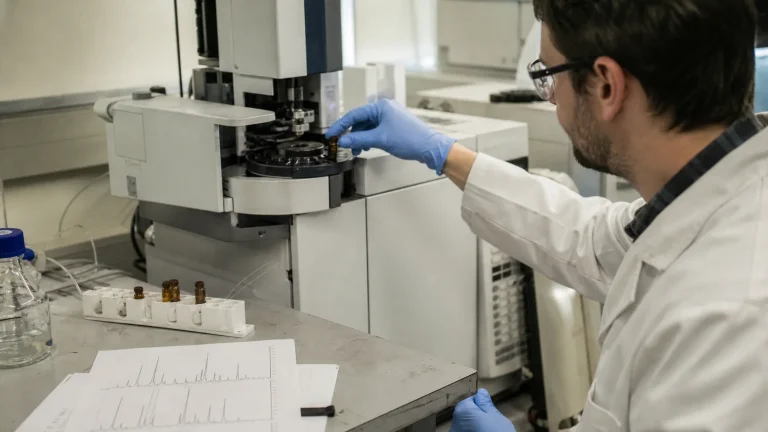
The 2025 study measured telomere length, hTERT messenger RNA, telomerase activity and alternative lengthening of telomeres. It reported dose-dependent telomere extension in normal cells and ALT-associated extension in the two cancer-cell lines. The inclusion of cancer lines is a reason for careful biological interpretation, not a basis for a wellness claim.
Results in context
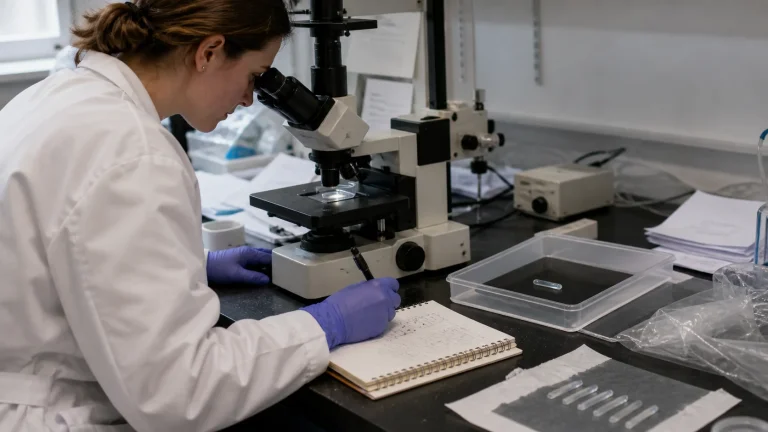
The mouse-oocyte study reported lower reactive oxygen species, fewer spindle defects, improved mitochondrial membrane potential and lower apoptosis after in-vitro aging. These are laboratory endpoints in an animal reproductive model; no pregnancy, lifespan or human clinical outcome was tested.
Both papers are useful for mechanism hypotheses. Their concentrations, exposure windows and model-specific endpoints should not be converted into a human regimen, and the studies do not analytically link their test material to a catalog lot.
What the evidence cannot establish
Cell culture and mouse oocytes cannot establish human efficacy or safety.
Telomere length is a biomarker, not a validated surrogate for longer human life.
A treatment-associated change in cancer-cell ALT activity requires cautious reporting and further independent replication.
Sources & editorial method
This article discusses the source records listed below, with the study models and limitations stated alongside the findings. AI-assisted drafting and image generation were used. The reference list identifies the records behind this article; it is not an independent peer review or verification of a supplied catalog lot.
3 linked records are listed in the references below. Read the editorial and AI-assistance policy.
How to interpret this article
Source-checked on 2026-09-02. Null results, sample size, model/population limits and regulatory scope are retained. This is not medical advice, a customer case or validation of a catalog lot.
Research-use boundary: Catalog materials discussed on this website are for laboratory research, development and manufacturing use only, not for human or veterinary use. This content is not medical advice and does not provide administration instructions.
Primary records and authoritative sources
- Epitalon and telomere length in human cell linesCell study. 2025. PMID 40908429.
- Epitalon delays postovulatory aging of mouse oocytesPreclinical study. 2022. PMID 35413689.
- PubChem Epitalon recordSequence, formula, molecular weight and synonyms; CID 219042.
Continue with structured records
Move from this editorial analysis to the product identity, filtered evidence and controlled terminology behind it.