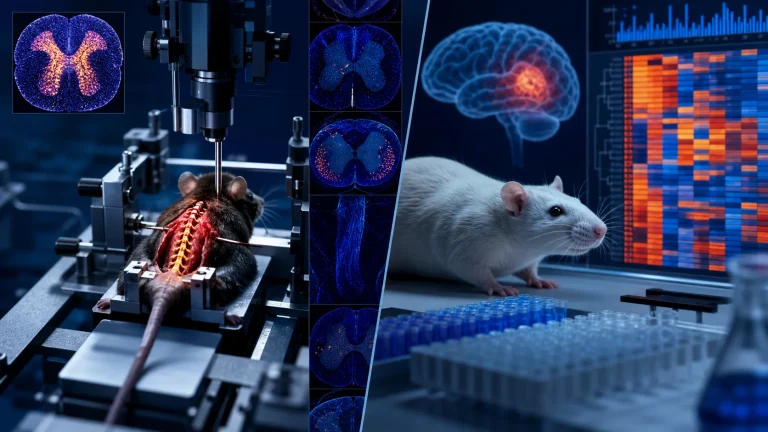
Semax is the synthetic heptapeptide Met-Glu-His-Phe-Pro-Gly-Pro, also written ACTH(4–7)-Pro-Gly-Pro. It should not be confused with semaxanib, an unrelated small molecule with a similar name.
Evidence at a glance
- The primary literature states the sequence as Met-Glu-His-Phe-Pro-Gly-Pro.
- The ACTH(4–7) description identifies the N-terminal four-residue fragment followed by Pro-Gly-Pro.
- Identity, purity, content and biological evidence are separate questions and need separate records.
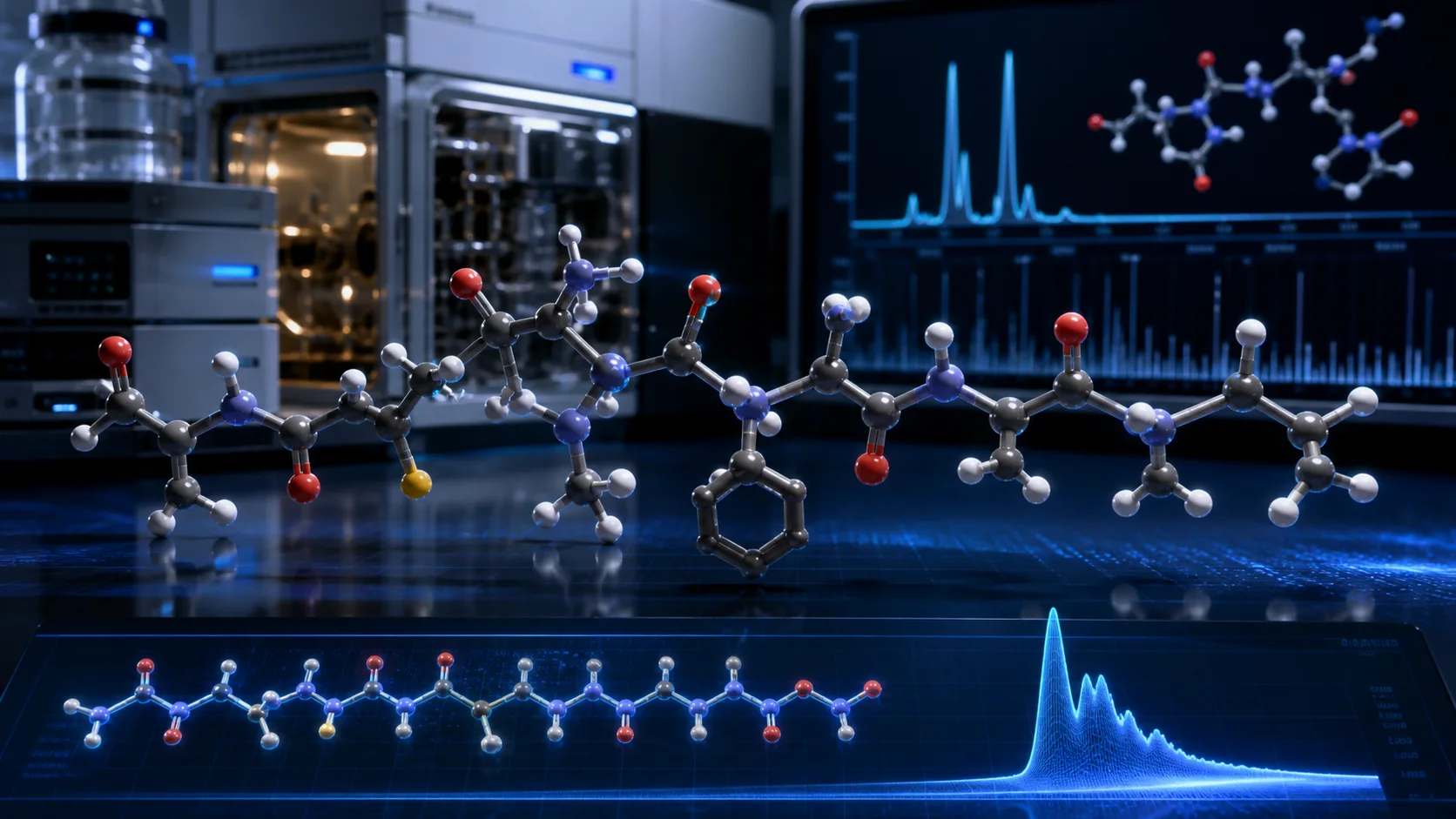
Identity record
Because Semax is short, closely related fragments and deletion products can appear near the target in some analytical methods. Intact mass and a fit-for-purpose chromatographic method provide complementary evidence.
Analytical and evidence boundary
The certificate should state terminal chemistry and the basis used for molecular-weight and content calculations. Water, counterions and residual solvents can affect an as-is mass without changing the peptide sequence.
Editorial copy should label the current evidence as rat, mouse or cell-model work. Avoid words such as “proven neurorepair” unless a directly cited human comparative study supports the exact endpoint.
Editorial rule
State the exact material, form, model or population and endpoint supported by the cited record. Do not convert mechanistic plausibility, an animal result, a finished-drug label or an analytical test into a claim about an unrelated catalog lot.
Sources & editorial method
The editorial workflow began with linked PubMed primary papers, systematic reviews, PubChem identity records and FDA/DailyMed regulatory records. Population or model, denominators, endpoints, numerical results, null findings, limitations and conflicts were extracted before drafting. AI-assisted drafting and original image generation were used; the final facts and evidence boundaries were checked against the linked records on 2026-09-02. This is not independent peer review.
3 linked records are listed in the references below. Read the editorial and AI-assistance policy.
How to interpret this article
Source-checked on 2026-09-02. Null results, study size, model/population limits and relevant conflicts are retained. This is not medical advice, a customer case or validation of a catalog lot.
Research-use boundary: Catalog materials discussed on this website are for laboratory research, development and manufacturing use only, not for human or veterinary use. This content is not medical advice and does not provide administration instructions.
Primary records and authoritative sources
- ACTH-like peptides and rat brain gene expression after ischemiaPreclinical study. 2024. PMID 39767736.
- Semax targets Oprm1 in a spinal-cord-injury mouse modelPreclinical study. 2025. PMID 40692165.
- Semax protein-expression study in rat cerebral ischemiaSequence and preclinical context; PMID 34201112.
Continue with structured records
Move from this editorial analysis to the product identity, filtered evidence and controlled terminology behind it.