


A calculation can look careful and still be wrong if two percentages describe overlapping parts of the same material. Before multiplying purity and content, find out exactly how the reported content was defined.
Two kinds of content statement
A total net-peptide-content result may include related peptide impurities. A target-specific mass-fraction assay aims to quantify the target itself. Those are different denominators and different measurands. HPLC area percentage is another kind of result and is not automatically a mass fraction.
The double-correction trap
Imagine 10 mg powder with a documented target-specific mass fraction of 80%. The target amount is 8 mg under that definition. Multiplying again by a separate 95% HPLC area figure gives 7.6 mg, but that extra correction has not been justified. The impurity contribution may already be included in the target-specific result.
When combined figures need support
Bachem discusses net peptide content and chromatographic purity as separate considerations. Using them together requires understanding the reporting basis and analytical response. Do not assume that every supplier’s field called “content” means the same thing. Ask the analyst to confirm the calculation that is supported by the measurements.
Write the basis beside the answer
Record powder mass, the measured fraction used, its definition and the resulting target amount. If the content is missing, show the result as nominal rather than filling the gap with a purity percentage. Our content-versus-purity guide explains the broader distinction.
Related materials and next steps
Explore the NHD catalogue records for KPV, GHK-Cu. Confirm the required molecular form, quantity and lot-document availability before relying on a listing for procurement. A catalogue record does not establish equivalence to a published study material.
Send the product or sequence, quantity and document requirements. For more background, browse the analytical methods guides and research glossary.
Sources and reading scope
Source links checked 5 October 2026. Research summaries use the accessible original abstract unless a full-text source is explicitly identified. Guidance documents and external supplier explanations are technical references, not NHD batch evidence or a claim of regulatory compliance. Any example introduced as hypothetical or teaching is a calculation, not a measured product result.
NHD catalogue materials are for qualified laboratory research, development and manufacturing enquiries. This article does not provide instructions for human or veterinary use.
Sources & editorial method
AI-assisted writing and source checks; conceptual illustrated cover.
1 linked records are listed in the references below. Read the editorial and AI-assistance policy.
How to interpret this article
Study results and labeled examples are separated. Original-source, arithmetic, readability and internal-link checks; no independent human peer review recorded.
Research-use boundary: Catalog materials discussed on this website are for laboratory research, development and manufacturing use only, not for human or veterinary use. This content is not medical advice and does not provide administration instructions.
Primary records and authoritative sources
- Care and handling of peptidesCare and handling of peptides
Continue with structured records
Move from this editorial analysis to the product identity, filtered evidence and controlled terminology behind it.




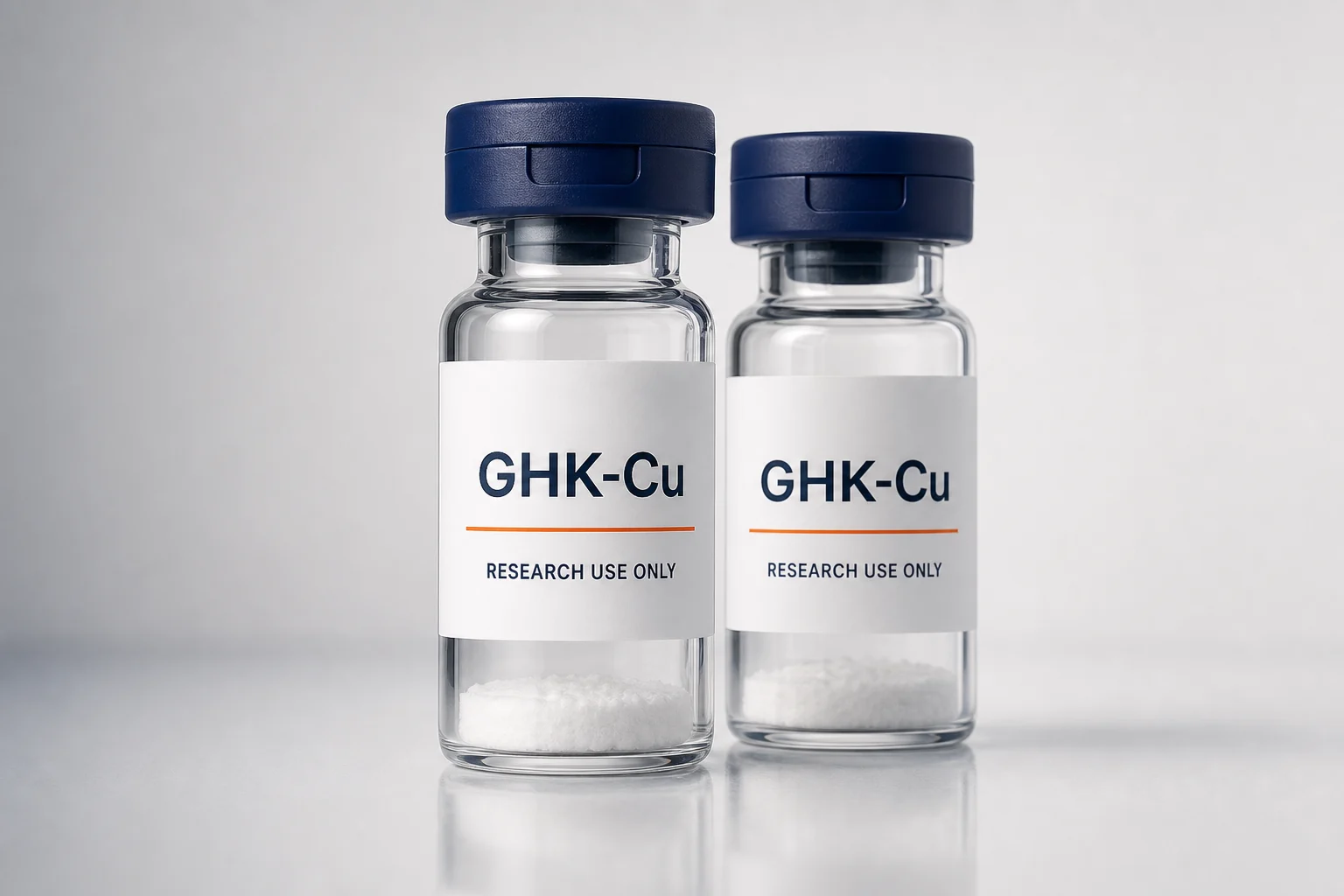 GHK-Cu
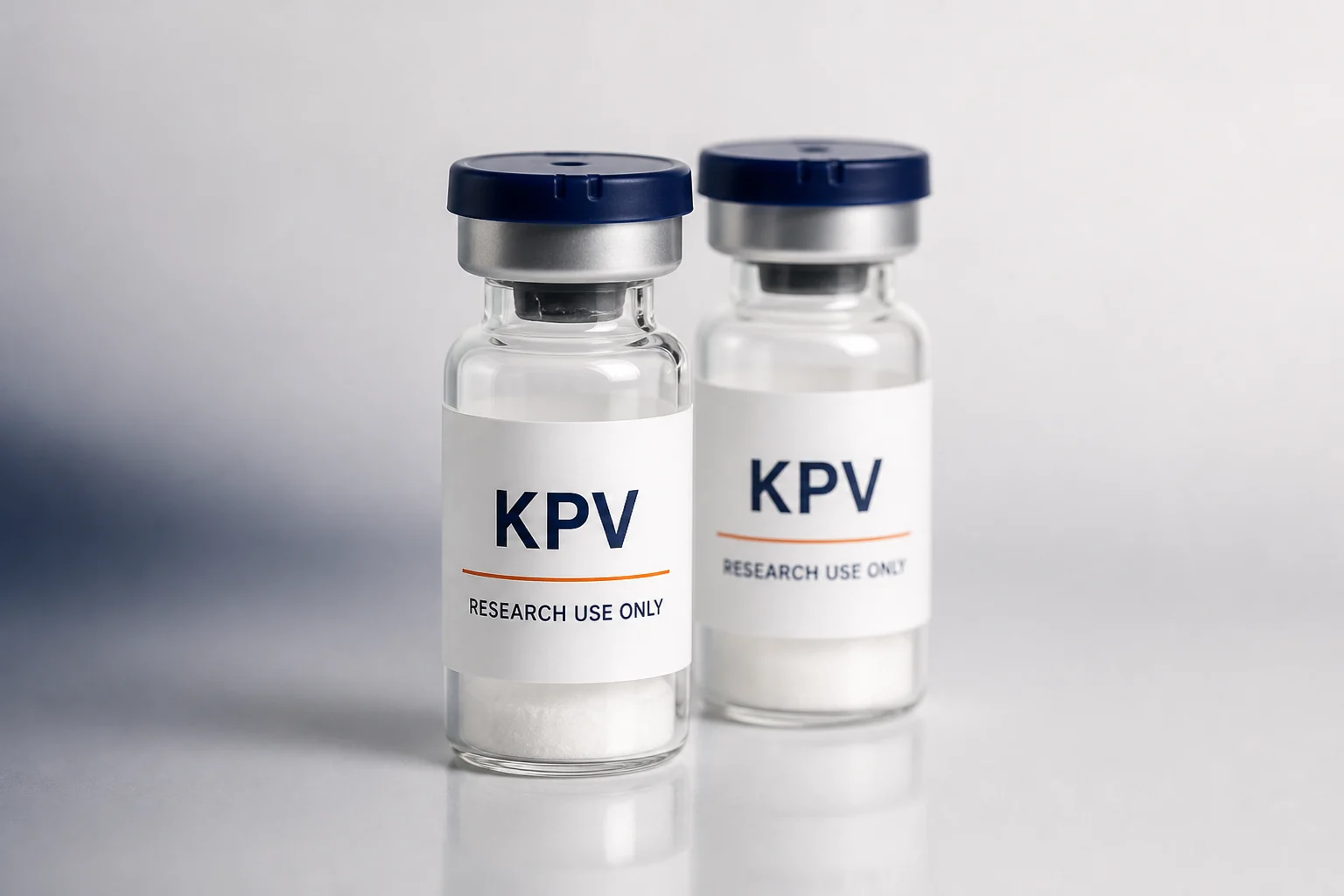 KPV