Read the STEP 1 extension's weight changes with the follow-up population, baseline and stopped interventions clearly identified.

The extension did not include everyone randomized
STEP 1 initially randomized 1961 adults with overweight or obesity and without diabetes. Extension analyses included 327 participants from selected eligible sites and participants. The extension was exploratory; its results do not represent complete follow-up of every person initially randomized.
Put the three timepoints on one baseline
In the extension population, mean weight change from week 0 to week 68 was −17.3% with semaglutide and −2.0% with placebo. At week 120, changes from the original baseline were −5.6% and −0.1%. The figure joins these three summaries, not daily measurements or individual trajectories.

| Weeks | Semaglutide | Placebo |
|---|---|---|
| 0 | 0% | 0% |
| 68 | −17.3% | −2.0% |
| 120 | −5.6% | −0.1% |
More than medication stopped
At week 68, trial treatment and the lifestyle intervention both stopped. This was not a situation where only medication changed and every other support remained identical. The paper reports subsequent regain of 11.6 percentage points in the semaglutide group. Preserve reported values: rounding can prevent exact subtraction of separate summaries.
Percentages need their stated denominator
Moving from −17.3% to −5.6% describes changes relative to the original body-weight baseline. It does not mean every participant gained 17.3%, or provide a new percentage using week 68 weight as the denominator. Changing the denominator changes the question.
What the graph cannot predict
Group means cannot predict an individual's course or provide a personal stopping plan. The clinical formulation, participant characteristics and follow-up arrangements differ from catalog-material information. Interpretation needs the complete trial context, not one isolated weight-regain figure.
The related catalog item is a different material
The website lists Cagrilintide + Semaglutide Blend, a combined material rather than the single-agent semaglutide formulation studied in STEP 1. Its card is a catalog enquiry route, not an application of the single-agent trial results to the blend. Composition, form and batch information require separate confirmation.
References
Published findings, hypothetical teaching examples and material information are distinguished. Read the original methods before attempting replication.
Related research materials
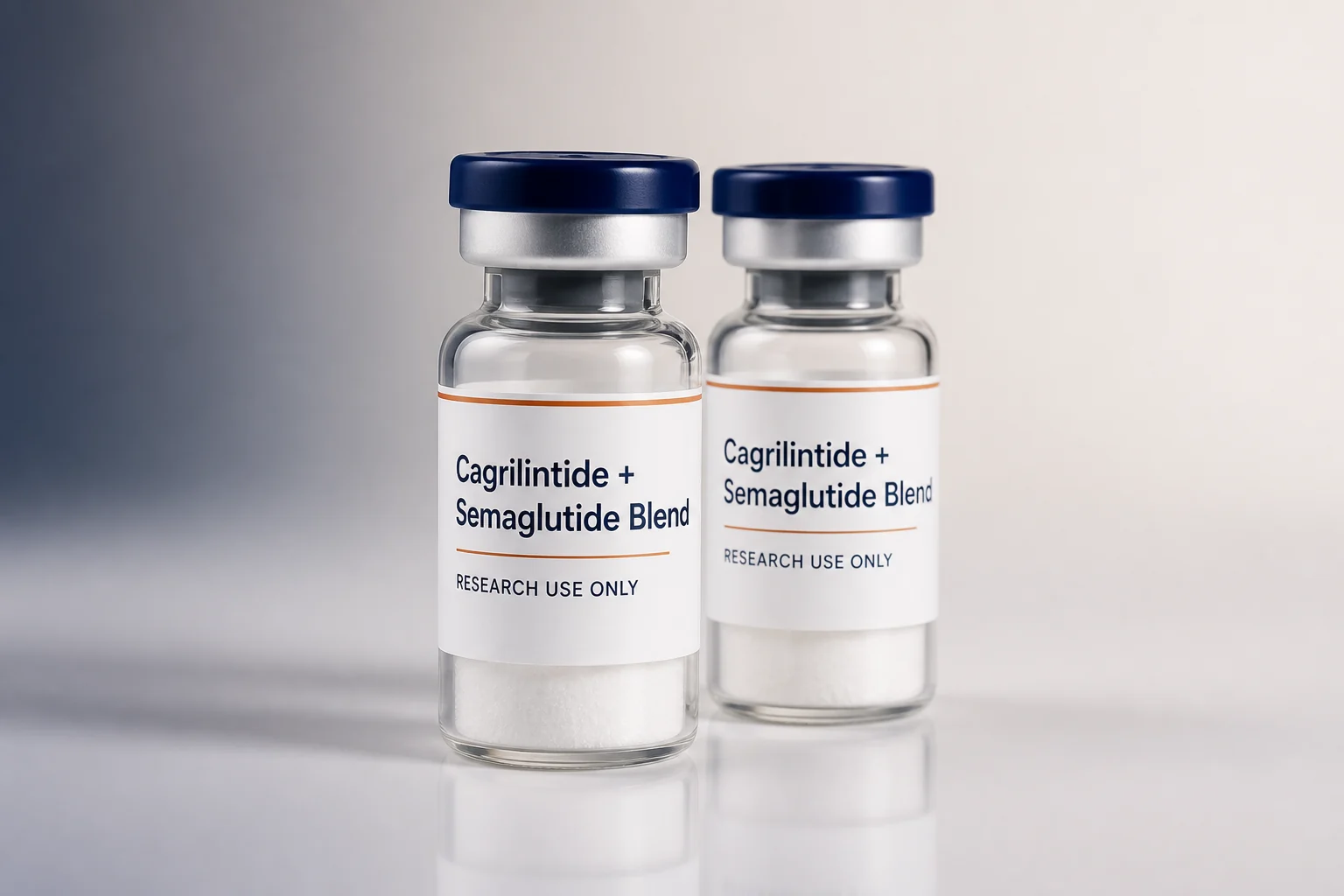 Cagrilintide + Semaglutide Blend
Enquire about products and information →
Research reading and material enquiries only. This page is not personal medical advice or a substitute for batch-specific records.