


Use a 1989 study to understand antibody titers, response definitions and why antibody findings are not infection outcomes.

Who entered the study
Ninety men aged 65–99 years, with a mean age of 77.3, were randomized. Sera from 85 were suitable for analysis. The figure shows 90, 85 and the difference of 5 to explain sample flow. The ratio 85÷90 is not an efficacy rate; reasons for excluded sera should not be guessed.
How a fourfold rise was defined
Response meant a fourfold rise in antibody titer at 3–6 weeks after vaccination. A titer describes an antibody response using a test dilution level. Teaching example: a baseline of 1:20 increasing to 1:80 is a fourfold rise. This is an explanatory calculation, not an actual participant record.

| Condition | Value / information to fill in |
|---|---|
| Men randomized | 90 |
| Sera acceptable for analysis | 85 |
| Sera not included in analysis | 5 |
Why baseline matters
Two people can reach the same final titer but have different fold changes because they started at different levels. Keep baseline, change and the prespecified response definition together. One participant's high titer cannot replace a group response rate or a between-group comparison.
Antibody and infection endpoints differ
Antibody measurements help describe an immune response. Infection, hospitalization and other clinical outcomes are separate endpoints. Do not add conclusions about outcomes a study did not measure. This article explains verifiable design and definitions without inventing group response rates unavailable in the abstract.
Keep the study in its historical setting
The vaccines, participants and conditions in a 1989 study differ from today's specific vaccination decisions. State the year, older male population and influenza-vaccine context when citing it. The paper should not be presented as a new, general vaccination recommendation.
Research enquiries are a separate matter
The Thymosin Alpha-1 page supports research-material enquiries. Include the source and any sequence, form or batch-information requirements. Individual treatment or vaccination decisions are not determined by this catalog-material article.
References
Published findings, hypothetical teaching examples and material information are distinguished. Read the original methods before attempting replication.
Related research materials
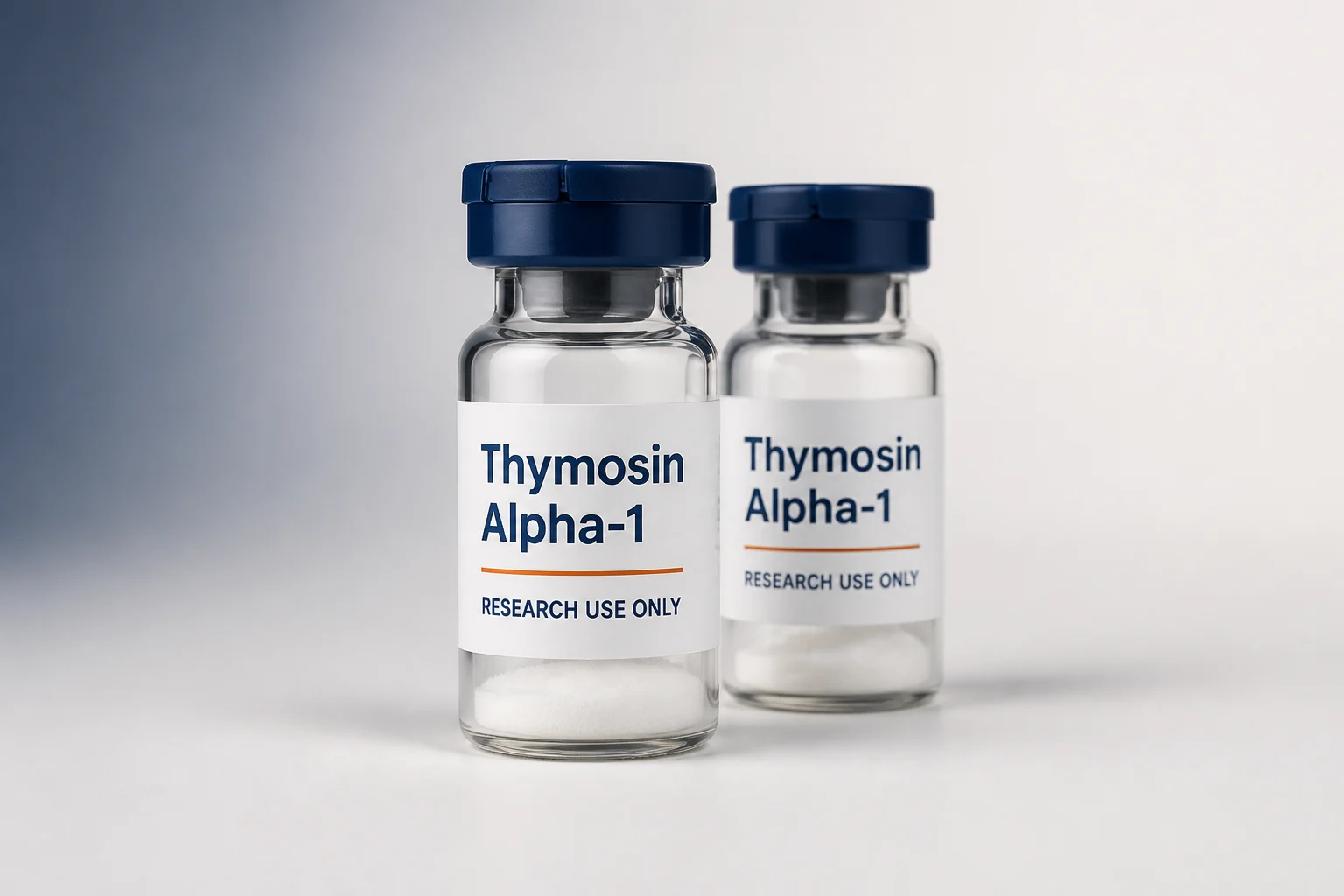 Thymosin Alpha-1
Enquire about products and information →
Research reading and material enquiries only. This page is not personal medical advice or a substitute for batch-specific records.


