One time point is like a photograph. It shows the state at that moment but cannot show when a response began or whether it was brief. Planning observation times matters more than adding decimal places.

Decide which step you want to observe
Receptor binding, early signaling, gene expression, protein changes and cell behavior do not necessarily occur together. Earlier changes may be rapid; later changes may need time to develop. No difference in one endpoint at 24 hours does not establish that nothing changed at any stage.
Treat timing as a condition to investigate
Use a focused, small exploratory study before choosing the formal timing plan. Each time point needs a corresponding control. Do not compare a treated sample with an old control from a different experiment. If a measurement destroys the sample, plan separate samples for the different time points.

Different processes can share an endpoint
Hypothetical example: sample A shows an early increase and later returns to baseline, while sample B barely changes throughout. The final readings alone could make them look similar. Conversely, one early peak does not establish a sustained effect. The figure illustrates this reasoning, not a measured response curve for a peptide.
Align the starting point and handling order
Record when timing begins, how long sample addition takes, whether medium is changed and when detection reagent is added. If the first and last wells are handled far apart, their supposed common time point may differ. Plan timing, material stability and sample numbers together.
Include sampling when estimating material needs
For MOTS-c or Semax work with multiple time points, list the volume required for each group, independent experiment and sample, then include a justified handling allowance. Multiple time points do not mean that one sample can be measured indefinitely.
Original sources and scope
Consult the sources for full methods and results. Teaching examples are not NHD lot-test data.
Related research materials
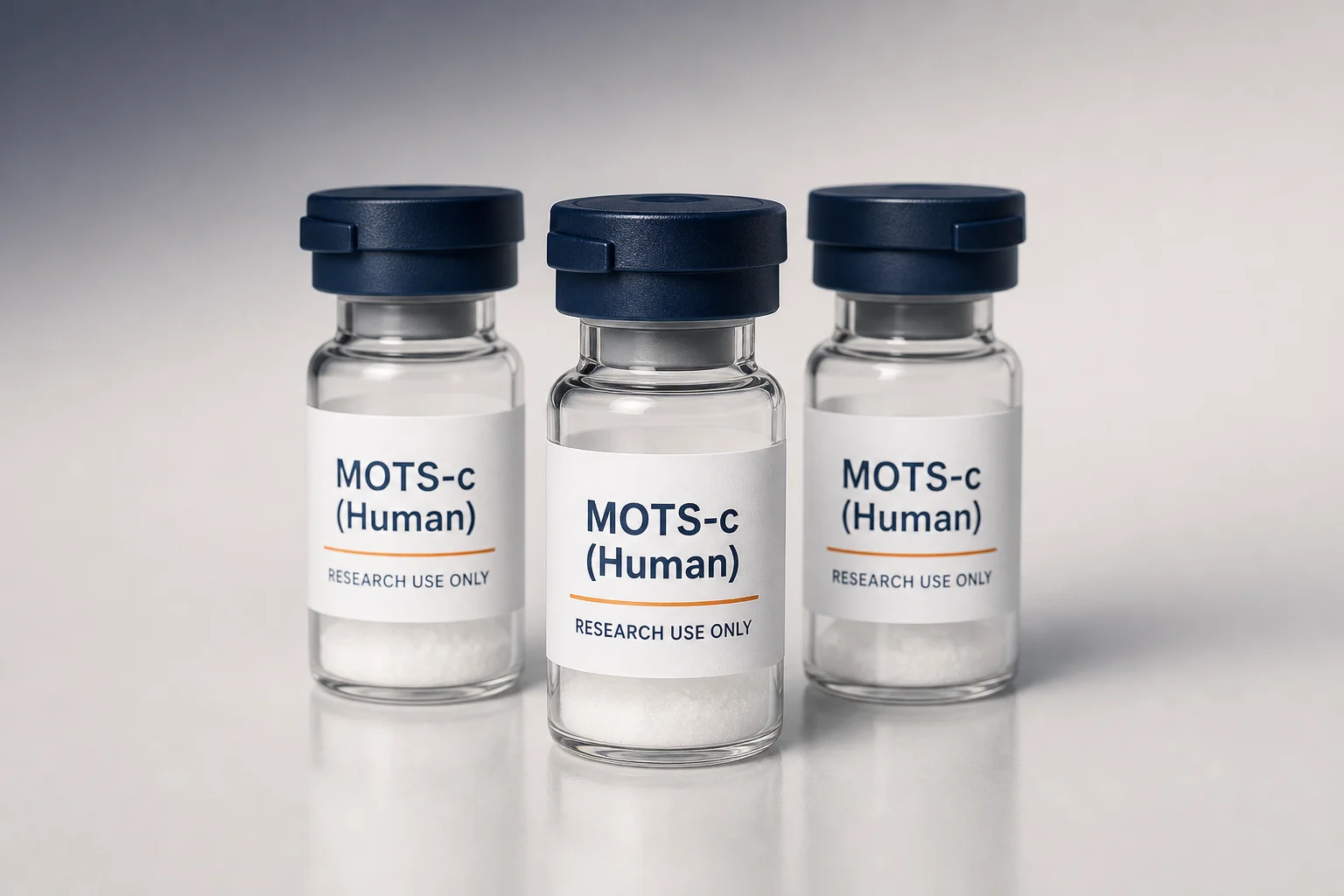 MOTS-c (Human)Review catalog identity and specifications; ask about supply, information and project requirements.
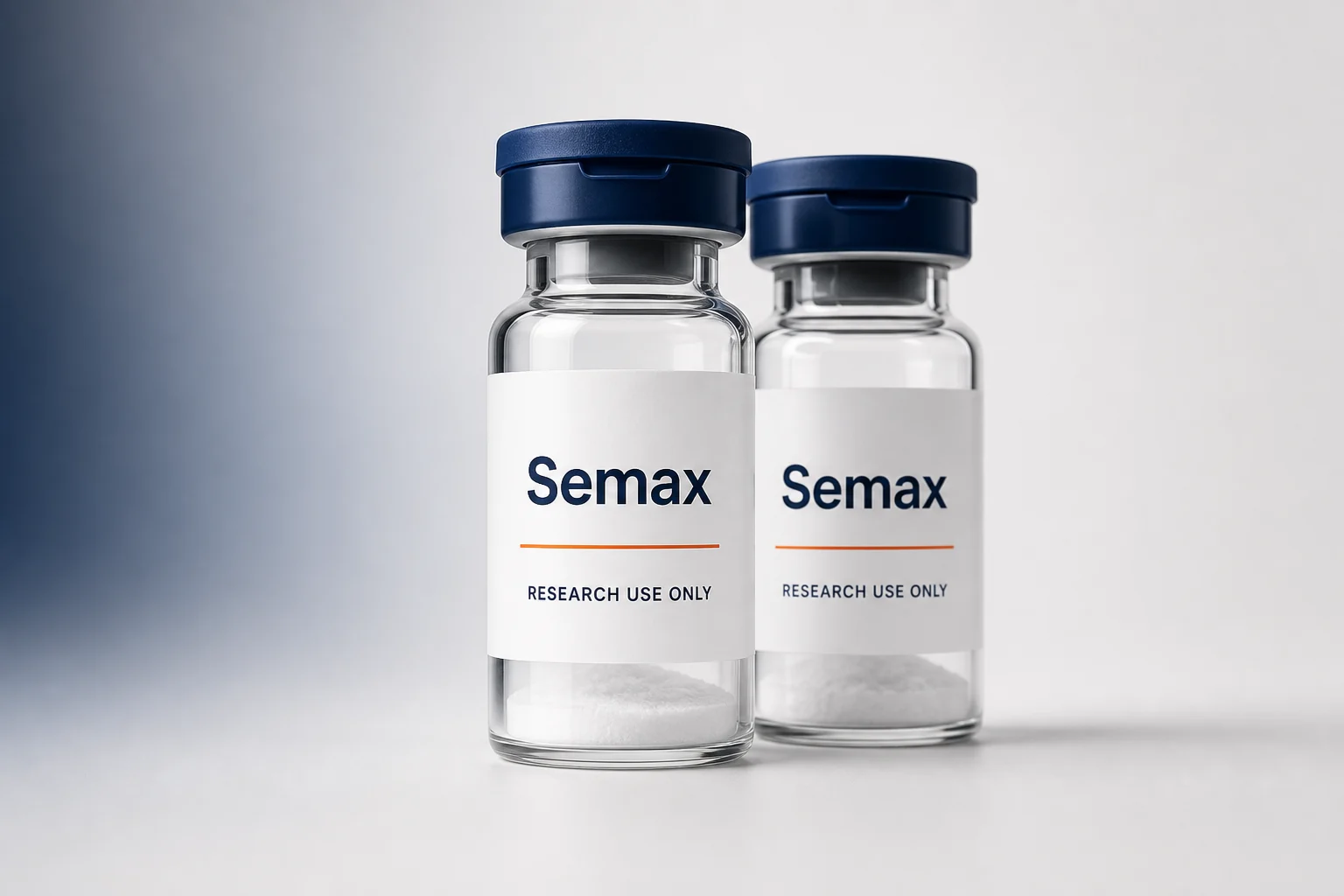 SemaxReview catalog identity and specifications; ask about supply, information and project requirements.
Ask about materials and documentation
Research materials and experimental education; no instructions for human use.