A gradient changes mobile-phase composition over time. Slowing that change may help closely eluting components separate, but extending a run does not automatically improve it.

The mobile phase changes the environment moving the sample
Reversed-phase peptide HPLC often increases the organic-solvent proportion gradually to elute more strongly retained components. Components respond differently and may leave the column at different times. The gradient table schedules this change.
Calculate the change per minute
Hypothetical example: organic solvent increases from 20% to 40%. Over 10 minutes, the average slope is 2 percentage points per minute; over 20 minutes it is 1 percentage point per minute. This calculates the programmed slope. It cannot predict a peptide’s actual retention time or resolution.

Why a shoulder may become clearer
A shallower gradient around the region of interest can sometimes separate nearby components, but peaks may broaden and runs may take longer. Waters discusses focused gradients: place the shallower segment around the target elution region rather than slow the entire program uniformly.
Do not compare purity numbers alone after changing the method
A new gradient may separate previously overlapping components and change integration results. The sample has not necessarily worsened; the method may reveal more. For batch comparisons, establish whether wavelength, column, gradient, injection amount and integration rules match.
Ask a useful analytical question
Rather than requesting a 99% purity number alone, explain whether you need to resolve a possible component beside the main peak and ask about the method’s ability to do so. BPC-157, GHK-Cu and other materials need appropriate methods. A manufacturer’s example conditions are not a universal validated method for all peptides.
Original sources and scope
Consult the sources for full methods and results. Teaching examples are not NHD lot-test data.
Related research materials
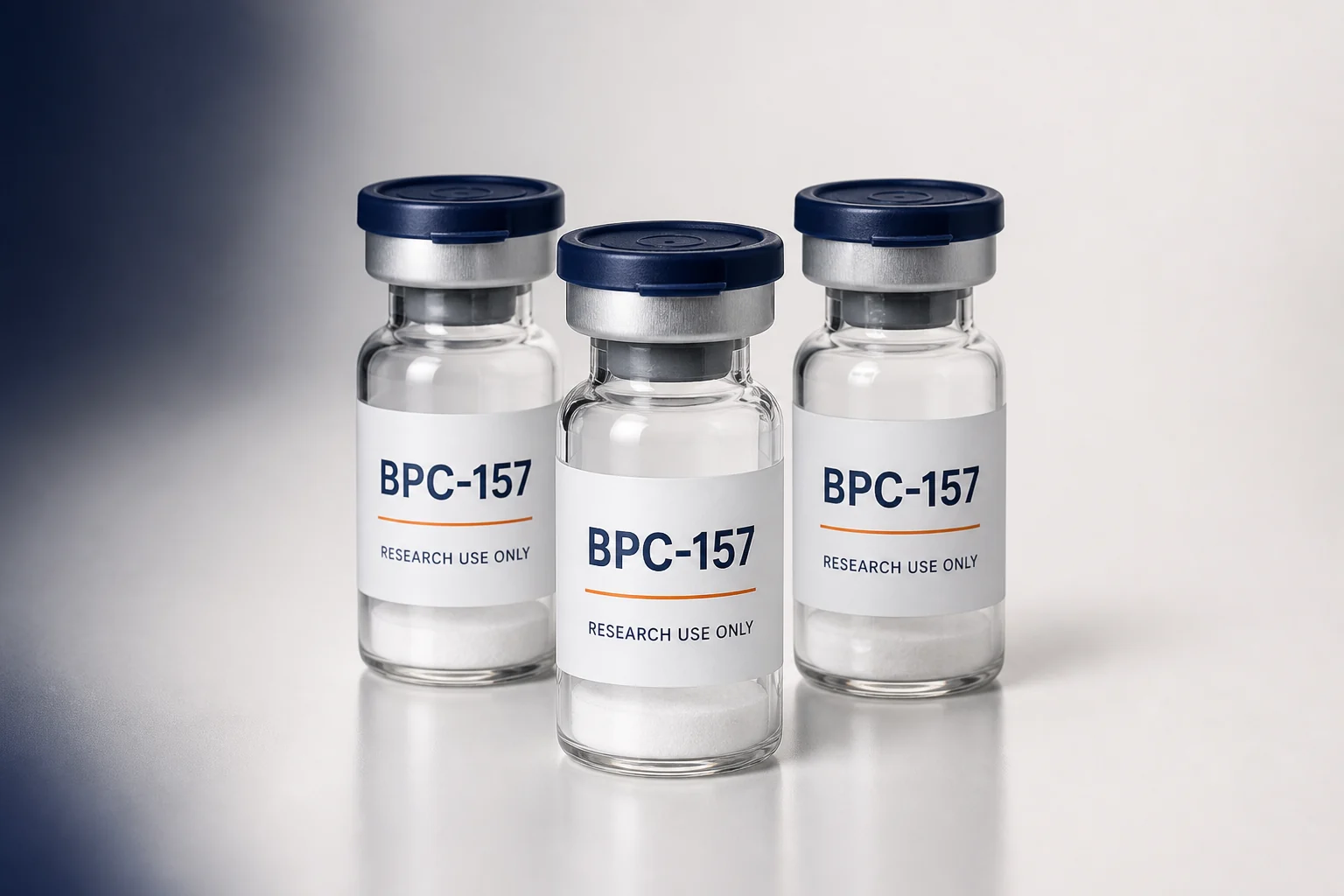 BPC-157Review catalog identity and specifications; ask about supply, information and project requirements.
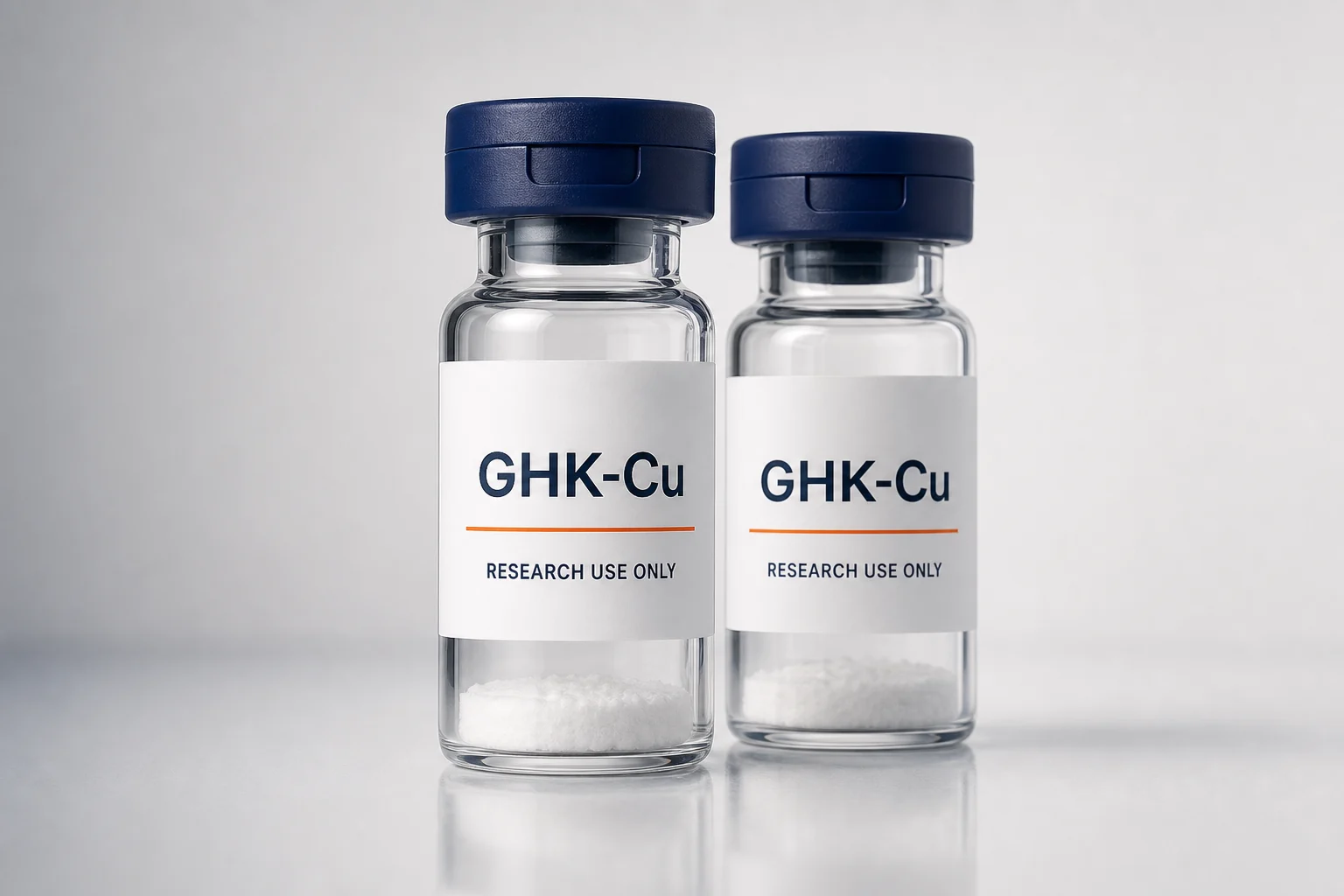 GHK-CuReview catalog identity and specifications; ask about supply, information and project requirements.
Ask about materials and documentation
Research materials and experimental education; no instructions for human use.