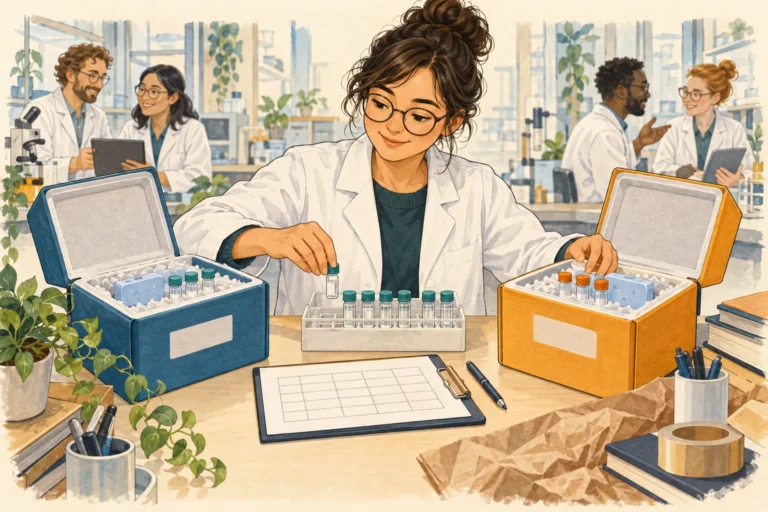
A peptide that dissolves in a stock may not stay dissolved in the final assay. Adding medium changes solvent proportion, salts and pH together. Record the changes before deciding that the peptide precipitated.

You dilute more than the peptide
Suppose a stock contains 50% organic solvent. Mixing one part with nine parts of a liquid containing none gives a final organic-solvent proportion of 5%. Peptide concentration falls, but the environment helping it dissolve changes too. These numbers illustrate dilution arithmetic, not a recommended formulation for any product.
Cloudiness needs a control
Cloudiness can involve peptide aggregation or precipitation, but other medium components may contribute. Prepare a peptide-free blank with the same solvent and mix it in the same order. If it also becomes cloudy, the peptide cannot explain everything. Record whether cloudiness appears immediately or gradually and whether material settles. This is more informative than one photograph at the end.

Change one condition at a time where possible
Keep final peptide concentration and observation time consistent while comparing mixing order, solvent proportion or the final system. Each change must also be compatible with the cells or analytical method. Continually adding solvent to clear the sample can itself change the experiment.
A clear supernatant does not confirm the original concentration
If some peptide enters a precipitate, the actual supernatant concentration may be lower than the concentration calculated from the amount added. State that the sample was centrifuged when analyzing only the supernatant. The nominal amount added is not a confirmed dissolved amount. A validated analytical method can help compare the fractions.
Include the final system in your enquiry
Asking whether a peptide dissolves in water is often too vague. Ask whether information exists for the actual sequence, modification and salt form at your intended concentration in your final system. LL-37 and lipidated peptides should not share a handling plan based only on a guess.
Original sources and scope
Consult the sources for full methods and results. Teaching examples are not NHD lot-test data.
Related research materials
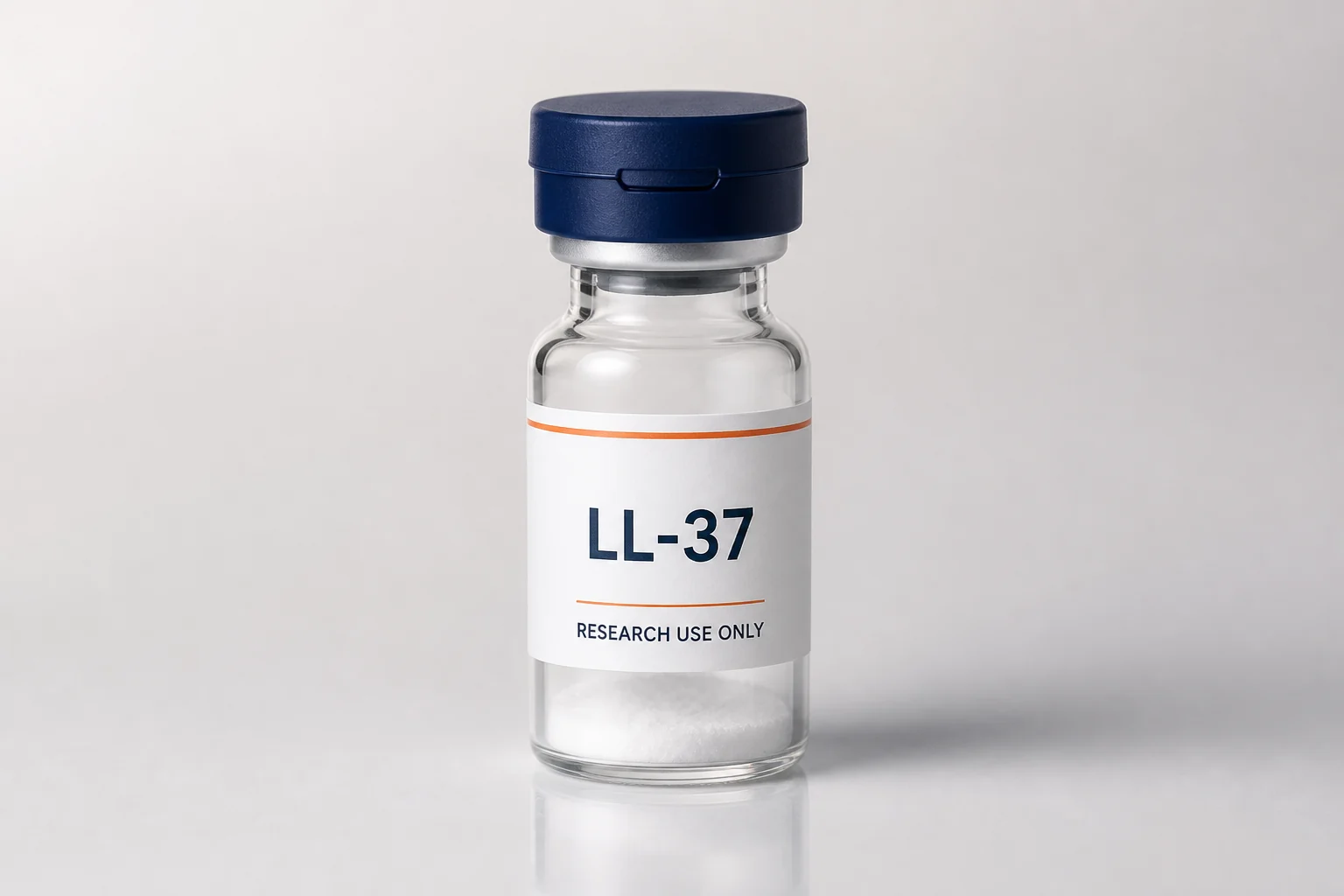 LL-37Review catalog identity and specifications; ask about supply, information and project requirements.
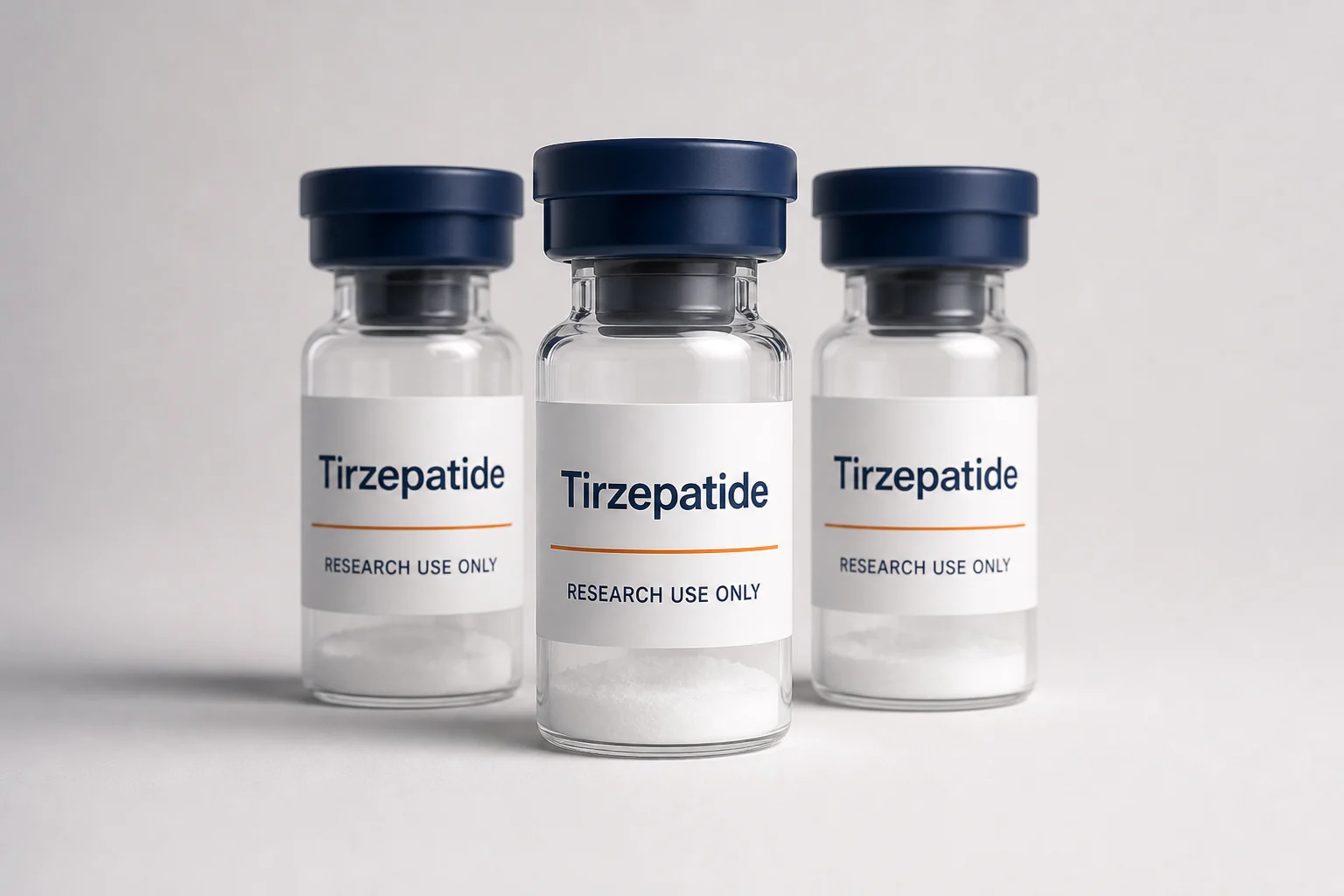 TirzepatideReview catalog identity and specifications; ask about supply, information and project requirements.
Ask about materials and documentation
Research materials and experimental education; no instructions for human use.