


A COA may show several dates. They do not all describe the same event. Knowing what was tested, when it was tested and what stability evidence supports later use is more helpful than choosing the latest printed date.
Read the date label
A manufacture date records production. An analysis date records testing. A retest date indicates a point for further assessment under the stated system. An expiry date describes a supported period under defined conditions. Ask the supplier how each term is being used for the material.
Why a fresh PDF is not a fresh result
Consider a report tested on 1 January and reissued on 1 July. There are 6 months between those dates, but a newly generated PDF does not prove that the sample was retested. Check whether the test results and sample history changed, not just the document issue date.
Stability depends on conditions
FDA’s stability guidance links stability periods to data and defined conditions in its drug-development scope. For research materials, use this as a reasoning principle rather than assuming pharmaceutical compliance. A dry-material result does not automatically establish the same period after dissolution or repackaging.
Ask before accepting the lot
Request the actual analysis date, supported storage conditions and the basis of any retest or expiry statement. If shipping or storage deviated from those conditions, ask how suitability will be assessed. Do not assign a new shelf life by copying another peptide’s document.
Related materials and next steps
Explore the NHD catalogue records for MOTS-c (Human), GHK-Cu. Confirm the required molecular form, quantity and lot-document availability before relying on a listing for procurement. A catalogue record does not establish equivalence to a published study material.
Send the product or sequence, quantity and document requirements. For more background, browse the analytical methods guides and research glossary.
Sources and reading scope
Source links checked 5 October 2026. Research summaries use the accessible original abstract unless a full-text source is explicitly identified. Guidance documents and external supplier explanations are technical references, not NHD batch evidence or a claim of regulatory compliance. Any example introduced as hypothetical or teaching is a calculation, not a measured product result.
NHD catalogue materials are for qualified laboratory research, development and manufacturing enquiries. This article does not provide instructions for human or veterinary use.
Sources & editorial method
AI-assisted writing and source checks; conceptual illustrated cover.
1 linked records are listed in the references below. Read the editorial and AI-assistance policy.
How to interpret this article
Study results and labeled examples are separated. Original-source, arithmetic, readability and internal-link checks; no independent human peer review recorded.
Research-use boundary: Catalog materials discussed on this website are for laboratory research, development and manufacturing use only, not for human or veterinary use. This content is not medical advice and does not provide administration instructions.
Primary records and authoritative sources
- ICH Q1A(R2) Stability Testing of New Drug Substances and ProductsICH Q1A(R2) Stability Testing of New Drug Substances and Products
Continue the documentation review
Each guide answers a different analytical question. Use the complete set before treating one number as a complete quality record.
Open the complete Quality & Documentation HubContinue with structured records
Move from this editorial analysis to the product identity, filtered evidence and controlled terminology behind it.




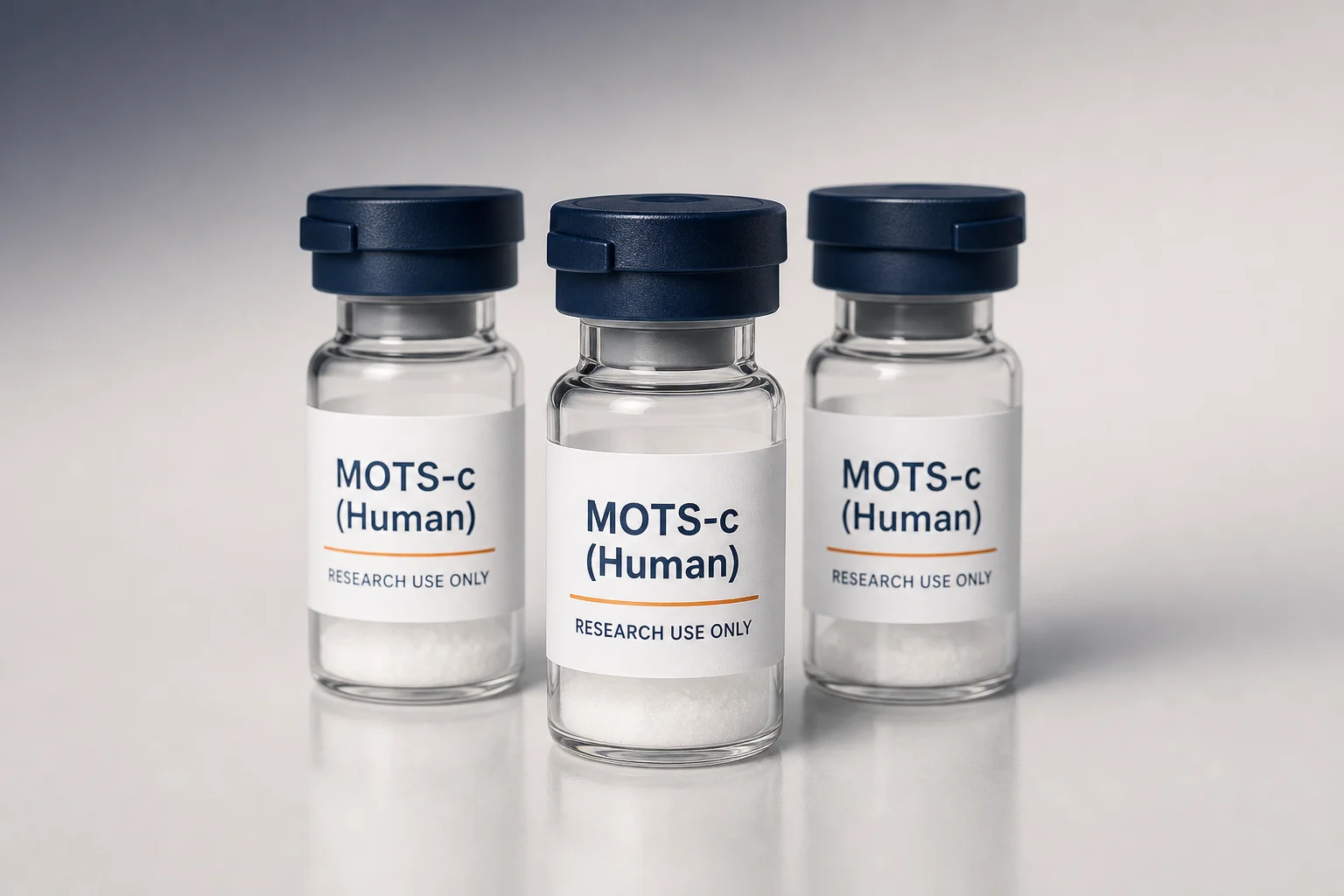 MOTS-c (Human)
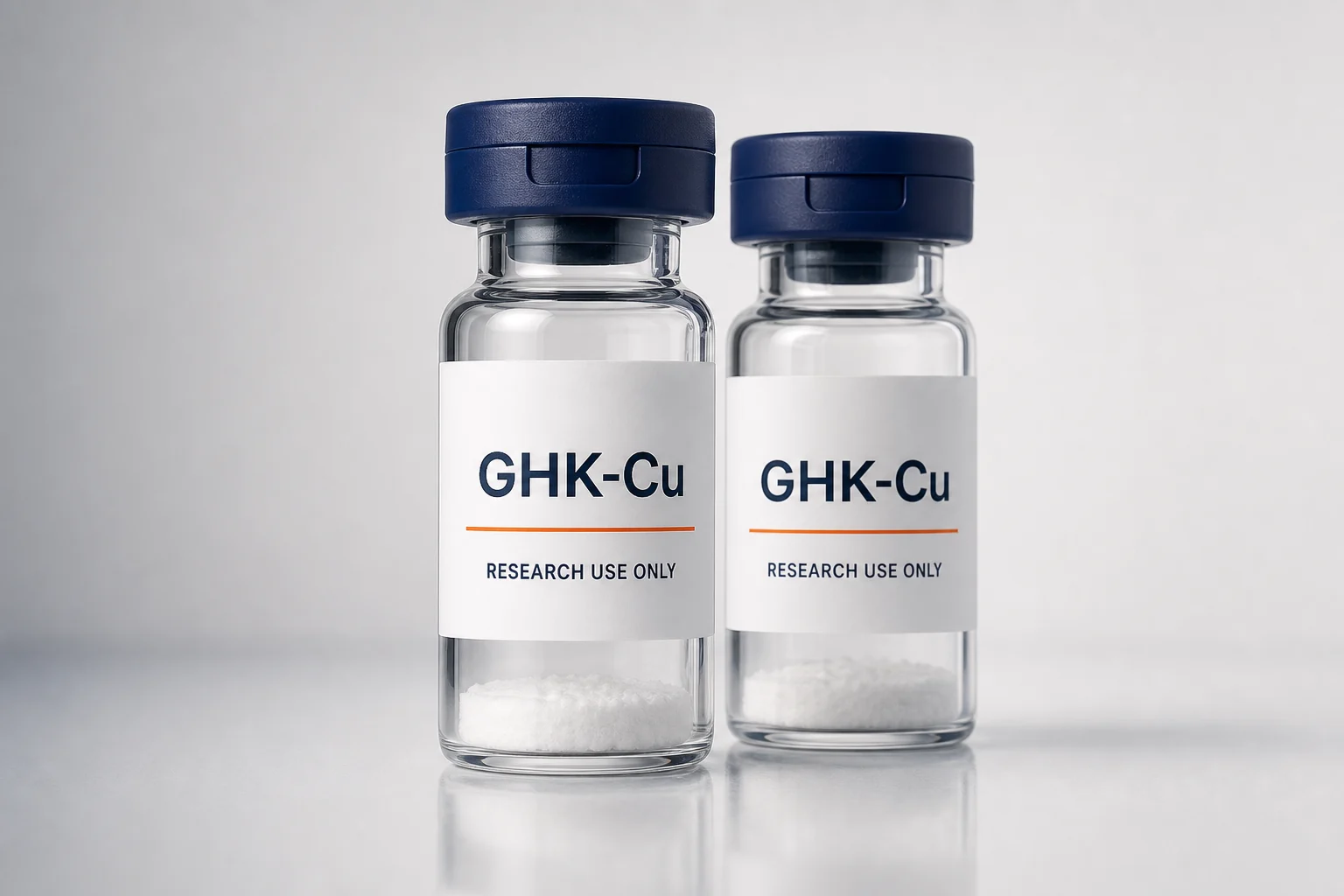 GHK-Cu